More than a Moment: A Conversation with BIPOC Student Mental Health Leaders
During this roundtable discussion, students share their own mental health journeys and experiences as BIPOC individuals.
Read MoreWellness Starts With Togetherness
March 22, 2026 — Our lack of community is slowly killing us – to the point that governments and think tanks feel the need to intervene. The “Loneliness Epidemic” was described as a public health crisis by the Surgeon General in 2023. Organizations ranging from NPR to the National Institute of Health have commented on the widespread, systemic rise in chronic social isolation. The health risks of this unabating loneliness include cardiovascular disease, dementia, stroke, depression, anxiety, and premature death, according to Essential Partners, a nonprofit dedicated to supporting community and interpersonal relationships. What does a doctor prescribe to assuage the ache of isolation? It’s not a fever or a sore throat that would have you debating the merits of acetaminophen vs ibuprofen; it’s a subjective but very real disconnection from community. It’s in how we treat ourselves and others that we find the remedy. In the 2023 U.S. Surgeon General’s Advisory on the Healing Effects of Social Connection and Community, experts named the prescription to loneliness: social connection. They laid out a six-pillar plan Strengthen Social Infrastructure in Local Communities Enact Pro-Connection Public Policies Mobilize the Health Sector Reform Digital Environments Deepen Our Knowledge Build a Culture of Connection How Can We Implicitly Build Community? One of the most effective ways to combat the loneliness epidemic is to show up for the people in your life and to ask them to show up for you. Ask friends for a ride to the airport or bring an extra coffee to class for the person who sits next to you – build community by being someone others can rely on and, in return, you can rely on them. Individualism is healthy in doses, but the beauty of being “inconvenienced” is being lost. It is a good thing to look at what’s good for your people as contributing to your own best interest, not because it’s an act of direct self-service but because it builds resilience in relationships. We should all cultivate a healthy sense of self, independent from external judgment, but not at the expense of consideration for the people we share space with – share community with. It all starts with seeing inconvenience as a privilege, both to give and receive. When you have a trip to the store planned, ask people what they could use – take something off of their plate, even if it adds a little more to yours. Ask people to carpool even if it’s out of their way; the rapport is worth the detour. Fold laundry or do chores you know your friends don’t like to do when you visit, noticing a full trash bag and taking it with you when you go leaves a sense of care in your wake. Hang out with people when they ask at the last minute. Spontaneity doesn’t equal disrespect; lean into the appreciation of sharing time with your people, even if it’s not entirely on your terms. Get Involved Ever thought about how your mental health journey could be the blueprint someone else needs? Tell your story on our blog and show the world what mental health mobilization looks like today. Find out how to submit your story on our website.
Read More
Finding Joy: You’re Never Too Old to Play
March 20, 2026 — Sitting in my dorm room, bored and alone, I realized that the only thing keeping me there was myself. What I needed was fun, and if fun wasn’t going to find me inside Heritage Commons Residence Hall, I’d have to find it. Then it hit me – jump rope. I ordered one online and asked a friend if she would go out and swing it with me. We walked out to the promenade, an area on Clark Atlanta University Campus where students congregate, and began swinging the long, colorful rope. Slowly, we caught the interest of our fellow students. The promenade felt transformed and was more reminiscent of a childhood school yard than a university walk. For the first time in over 10 years, it felt like we were playing together at recess, and the small joys reserved for kids in elementary school were ours again, only now we’re not just “big kids,” we are young adults. It was fun and a reminder that growing up doesn’t have to mean missing out. One student came over and told me how much they loved what we were doing and encouraged us to keep it up – so I did just that. An afternoon of boredom turned into one of community and play, from this, my startup Big Kids Inc. was born. Big Kids Inc. is an organization that hosts engaging, playful events for adults like field days, dodgeball tournaments, picnics, and more. We believe that the key to relieving stress and building community nurtures our inner child. One of our most powerful wellness tools is play, and now, as a Junior in college and a year into this journey, I know more than ever that play is my purpose. How You Can Incorporate Play Into Your Routine It is imperative that we live our lives to the fullest, which is why it’s a mission of mine to play often and boldly like when I was young. In the practice of lifestyle, I routinely find myself incorporating games into my everyday life. I enjoy word-searches in the campus library and asking friendly faces to play with me. Instead of letting the fear of rejection define my choices, I let the possibility of connection motivate me. Making friends on the playground seemed so simple as a child. My goal is to bring the playground to young adults, whether that’s in the form of a jump rope on the promenade or a word search in the library. Host a game night: Play board games and enjoy spending time with people you love. Play cards: Be bold! Get yourself a stack of uno cards or playing cards and ask people in shared community spaces like your college student center or library to play a quick game of cards with you. Go to the park: Spend time at a local park with your friends and have fun on the swings and slides like when you were a kid. Get Involved Ever thought about how your mental health journey could be the blueprint someone else needs? Tell your story on our blog and show the world what mental health mobilization looks like today. Find out how to submit your story on our website.
Read More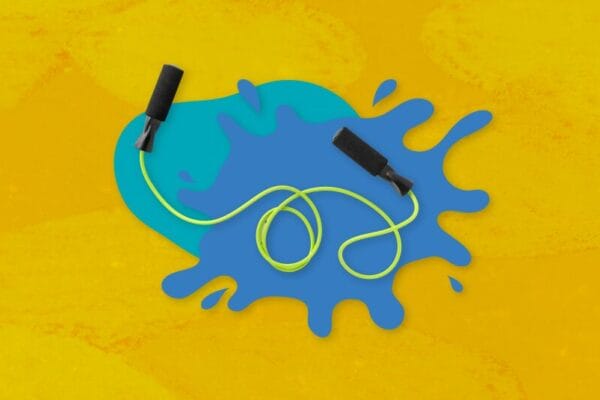
Your Spring Mental Health Reset: 3 Simple Self-Care Habits to Try This March
March 5, 2026 — March is that in-between moment. Winter burnout is real, the semester schedule is in full swing, and everyone is waiting for the energy that spring is supposed to bring. If you’ve been feeling a little off, you’re not alone. The good news? A mental health reset doesn’t have to mean a complete life overhaul. Sometimes it’s the small, consistent habits that make the biggest difference. Here are three simple ways to reset and prioritize your mental health this month. 1. Start a 10-Minute “Daily Check-In” You don’t need a full journaling routine or a perfectly curated morning ritual. Just give yourself 10 minutes a day to check in with yourself. Try this: Write down one thing you’re stressed about One thing you’re grateful for One thing you’re looking forward to It helps clear mental clutter and makes your emotions feel more manageable. If journaling isn’t your thing, a quick voice memo to yourself works, too. 2. Touch Grass (Seriously) Spending time outside can seriously boost your mood and energy. And no, it doesn’t have to be a full nature hike. Simple ways to do it: Take a 10–15 minute walk between classes Sit outside while studying Meet a friend for a walk instead of another coffee shop hang Fresh air, sunlight, and a short break from screens can help reset your mind more than you think. 3. Create One “No-Pressure” Hour Each Week We’re all juggling a lot: school, work, social lives, and the constant noise of social media. Give yourself one hour each week where productivity doesn’t matter. This could look like: Watching a comfort show Doing a creative hobby (drawing, music, crafting) Reading something that isn’t for class Cooking a new recipe The rule: no guilt, no multitasking, no pressure to post about it. Your Reset Doesn’t Have to Be Perfect Self-care on social media can look like elaborate routines and aesthetic wellness trends, but real mental health care is often much simpler. Small habits done consistently—checking in with yourself, getting outside, and making time to recharge—can help you feel more grounded as the season changes. Spring is about new beginnings. Think of this month as your reminder that even small resets can help you bloom. Get Involved Ever thought about how your mental health journey could be the blueprint someone else needs? Tell your story on our blog and show the world what mental health mobilization looks like today. Find out how to submit your story on our website.
Read More
Scrolling Less, Living More: Finding Balance in a Hyper-Connected World
March 5, 2026 — Practical tips for create a healthier relationship with technology that supports overall happiness and success while staying connected.
Read More
Finding Healing on the Front Burner
January 14, 2026 — I was around 11 years old the first time my mother brought me into the kitchen and, unknowingly, opened a door that would one day help save my life. I didn’t realize she was carrying her own mental health challenges. What I did know was that being in the kitchen felt different. It felt safe. She taught me simple meals and always said something that stuck with me: “Flavors are like people. When they blend well, you bring out something special.” At that age, I didn’t understand the depth of what she meant. But I understood how it felt to take a few ingredients and create something meaningful. Over time, the kitchen became a place where I could breathe. Growing up around addiction and instability, there were many days when life felt heavy and unpredictable. But the kitchen didn’t demand perfection from me. It didn’t judge me. It just asked me to show up. Even if everything around me felt out of control, I could reach for ingredients and work through my emotions step by step. Cooking became my therapy long before I ever used the word 'therapy.' As life got harder — through grief, loss, depression, and seasons of feeling overwhelmed — the kitchen remained steady. When I didn’t know what to do with what I was feeling, I cooked. When I needed silence, I cooked. When I needed comfort, I cooked. Something about turning raw, unfinished ingredients into something nourishing for both my body and soul helped me believe things in my life could transform, too, if I gave them time. Eventually, cooking became a way for me to connect with others. I started inviting people over, hosting dinners, and creating community around the table. What had once been my private coping space became a place where others felt welcomed, seen, and cared for. I’m not a world-renowned chef. But I am someone who learned how to take what I had and create something meaningful. And that lesson goes far beyond food. Maybe cooking isn’t your outlet. Maybe it’s writing, movement, music, journaling, or something else creative that helps you process your emotions. Whatever it is, I hope you find a space — no matter what that looks like — that helps you feel grounded and safe. A place where you can slow down, breathe, and show up as you are. Cooking gave me a sense of control when everything else felt unstable. It showed me that healing doesn’t always happen in big moments. Sometimes it happens in quiet places where we gather what we have and do the best we can. If there’s one thing I’ve learned, it’s this: You don’t have to be perfect to create something beautiful. You just have to begin.
Read More
In Your 20s, You’ll Get the Urge To Show Up for Mental Health. It’s Important That You Do.
December 23, 2025 — Your 20s are basically a bridge between every version of yourself you’ve outgrown and the person you’re still building. There’s this unique nostalgia for the present that comes along with the realization that you’re currently living through the years you’ll tell stories about forever. It’s a decade of leaning into every experience: saying yes to the move, the coffee date with your future best friend, and the messy process of growing up. Sometimes, that means hitting mental health barriers that feel like a dead end, whether it’s the cost of care or the stigma that makes you feel like you’re alone in your struggles. But it often ends up being the time you discover you're a lot more resilient than you gave yourself credit for. In your 20s, you start to see that making a difference begins right where you are, with showing up for your own mental health and the people in your circle. In your 20s, you may feel the pull to show up for mental health. It’s important that you do. Here is how you can meet the moment: In your 20s, you’ll learn that checking in is the ultimate way to show up. When a friend's vibe shifts, it’s easy to assume they’re just busy or tired. But being a champion for change means looking closer. Look past the “I’m okay”: Watch for the subtle stuff — a friend who stops replying to the group chat, someone who is suddenly way more irritable than usual, or a peer who seems to be checked out of the things they used to love. Navigate the conversation with A.S.K.: You can’t always fully understand or change what someone else is going through, but you can Acknowledge their feelings, Support by listening, and Keep-in-Touch regularly to let them know how much you care. Visit asktohelp.com to dive in and start putting A.S.K. into action! In your 20s, you’ll realize your phone is a tool, not a trap. We live on social media, but we don’t owe the internet our constant attention. The "in your 20s" trend is fun, but doomscrolling isn't. Don’t let the algorithm win: Use screen time limits to keep your doomscrolling in check and use your time offline to redirect your focus — try journaling, a quick walk, some gentle stretches, or letting yourself get lost in the music for a few minutes to get your energy flowing again. In your 20s, you’ll find that rest is a transformative act. Poor sleep makes stress feel like a mountain and anxiety feel like a flood. Protecting your rest helps prevent burnout and keeps your energy high enough to lead the change you want to see. Give your brain a break to unplug: Your sleep is important. Try to put your phone down 30 minutes before bed. That late-night blue light actually blocks the hormones your body needs to feel tired, so giving yourself a break from the screen is the easiest way to ensure you're getting the deep rest you need to wake up ready to meet the moment. Keep some tools in your back pocket: Self-care doesn't have to be a huge undertaking. It can be taking a moment to circle breathe or use the 5-4-3-2-1 grounding technique (name 5 things you see, 4 you can touch, 3 you hear, 2 you smell, and 1 you taste) to pull yourself back into the present when things feel overwhelming. In your 20s, you’ll learn that you don't have to be an expert to be a lifeline. Championing mental health doesn't mean you need to have all the answers; it means knowing when a situation is too heavy to carry alone and being brave enough to call for backup. You can't solve everything on your own, and you don't have to: If a struggle starts to feel like a crisis, don’t hesitate to reach out for help. Resources like 988, The Trevor Project, or local helplines can save a life. For more information on where to get help, visit our Crisis Resource Center for additional ways to connect with life-saving support.
Read More
Gen-Z is the Next Caregiving Generation
October 21, 2025 — Caregiving is a weighted word — especially for Gen-Z, now at the forefront of family care. For me, it brings up many feelings, like frustration and stress. A caregiver supports a loved one through physical help, emotional care, or financial aid. The role is deeply personal. For some, it's a cultural expectation, making it a big part of who they are. For others, it's an unavoidable duty, something that they didn’t have much say in. Caring.com reported that about 72% of Gen-Z plan to provide some type of care for their parents. And for those who are already providing care, this can be not only a physically and economically exhausting job, but also a mentally taxing one. Young adults already manage school, work, and social life; caregiving is one more responsibility piled on their plates. This all can cause social isolation, academic burnout, and professional struggles. Gen-Z is quickly becoming the new face of family caregiving, often influenced by cultural or familial responsibility. I invited two fellow Gen-Z caregivers, Jorge Alvarez (a full-time professional) and Carolyn Dao (a full-time student), to share their unique experiences with me through a series of Q&As. Learn more about them below! What does providing caregiving for your family mean to you, and what does it look like? Jorge: For me, caregiving isn’t just about stepping into a role you didn’t expect, but doing so, surely, out of love, but often out of necessity. I became a caregiver for my mom in less than 24 hours, without much preparation, after she had a major surgery. I supported her with everything from bathing and feeding her to coordinating appointments; all while adjusting to adulthood and living on my own for the first time. It was overwhelming, but it taught me how important it is to have plans for caregiving or at least know where to find resources and learn more about what support systems exist for us. How has your view on caregiving evolved throughout your experiences with it? Carolyn: Before I started taking care of my grandparents, I thought that mainly older adults did it as a full-time job. But growing up, my dad, aunts, and uncles would all pitch in to assist my grandparents. I thought that I could be a kid for a little longer. However, I realized that being a caregiver can start at any age. Caregiving allowed me to have an early look at how adults manage to balance all sorts of things, and taught me how to balance out caregiving, school, and mental health. Research has shown that caregiving for a family member can bring up a lot of complex emotions. What feelings have come up for you in your caregiving journey? Jorge: I’ve felt love and gratitude, but also resentment, guilt, exhaustion, and fear. There were moments when I felt like I had to put my life on pause, and that was hard to accept. I constantly questioned if I was doing enough or doing it “right.” I felt guilty and anxious when I couldn’t help. It’s a deeply human experience that pushes you to confront your limits while trying to protect someone else’s dignity, while prioritizing your own mental health and well-being. What support has been helpful in processing your feelings and taking care of your mental health throughout your experiences with caregiving? Are there any resources that you think are missing to better support caregivers? Carolyn: Having open conversations with those I trust helped me carry the weight on my shoulders. They allowed me to speak my mind while understanding the situation I was in. While there are support systems out there for adult caregivers, there are not many for Gen-Z ones, as they are just as capable and experience the [same] emotions. Caregiving is a difficult, yet often unrecognized, job that impacts the mental health of young adults. Active Minds recognizes that caregiving duties significantly impact the mental health of young adults. That’s why we encourage you to join us for our upcoming caregiving workshop — either to learn about caregiving or share your own challenges and experiences as a caregiver. Let’s work together to identify and shape resource ideas for Gen-Z caregivers like you and me. Register today to join us for a workshop on caregiving on Thursday, November 13th at 7:00 PM ET!
Read More
Coming Out Lessons and the Evolution of Self
October 11, 2025 — “Haha, isn’t that weird? I would never kiss a girl!” my middle school friend exclaimed after telling me about her friend who came out as lesbian. Silence was my answer as I thought to myself, “Kissing another girl? Hm... I wouldn't mind that actually.” Going to a private Christian school and being conditioned into thinking that same-sex relationships were “morally offensive”, I held these thoughts inside and never acted on them. My sheltered upbringing was shattered once I later met “real-life lesbians”. Talking with them broadened my perspective and opened a new path in my journey of self-discovery. Your First "Aha!" Moment Doesn’t Need to be Your Final Answer I began exploring my sexuality and proclaiming to my coworkers, "I am a lesbian!” Then I got a boyfriend and said, “Well... I’m just bisexual.” A few months later, “We broke up, and I am definitely a lesbian.” “So, you know how I said I was lesbian? Well, actually..." The cycle continued and the shame built. Why don’t I have figured out? (because surely a 16-year old would have their identity fully realized by then… right?). To me and my peers, “coming out” = “having it figured out” and I was nowhere close to meeting that social expectation; a shackling mentality. Lesson #1: An initial declaration of identity is a point on a map, not the final destination. Give yourself — and others — the grace to revise as you continue on the journey of finding yourself. The willingness to change your mind is a sign of growth and honest introspection, not failure. Authentic Self-Expression Precedes Self-Acceptance I shoved my shame deep within me, hoping to cover the cracks and bury it beyond where the light could shine. Despite that internal struggle, I began to act authentically. I cut my hair short and embraced more masculine clothes. I attended pride events and consumed LGBTQ+ media (seeing trans actors in the TV show Pose was transformative). As I began meeting new people, watching compelling stories on TV, and learning new ways to articulate my experience, the light broke through and I had a revelation.While I was acting with self-acceptance, I had not internalized it. I realized I didn't even accept myself, period. Deep inside, I was a wounded child whose sense of self was bound by many layers of shame. I shed the desperate need to label and hesitantly embraced a new mantra: I love who I love, and I am who I am. Lesson #2: True self-acceptance is an internal job. The most immediate thing you can do to start the process is to act authentically — even if you haven't named or rationalized why you're doing it. By stepping into those small acts of authentic expression (like the clothes and haircut), you create evidence for your mind that a different, truer self is possible. Start by doing what feels right, and the understanding of yourself will eventually catch up. Embrace the Evolution, Not the Conclusion Time passed, and I began college and therapy. My identity felt unstable, and a new crack appeared: my body felt foreign. I had to ask myself big questions. Who was I outside of the hyperfeminity I was conditioned into? Where did the “butch queer woman” end and the “I’m just a little guy” begin? I entertained the idea of trans-masculinity and adorned He/Him pronouns for the first time. It felt... liberating. I began to wear He/Him pins around campus, I changed my pronouns on my social media accounts, and I eventually started taking testosterone. Outside of intimate conversations I had with loved ones, I did not feel led to make any public declarations of my gender identity. This time, I approached coming out differently from my past experiences of the back-and-forth proclamations. For those that asked, I shared and to those that knew, knew. It was through this that I came to a critical realization: understanding yourself is a continuous practice. Those many layers and cracks I shamed myself for became fractals for the light to shine through. I embraced their hues and released the pressure to have myself "figured out". Through this, my inner child was freed to authentically be himself and the shackles that bound me fell to my feet. Lesson #3: Coming out is an ongoing process. Release the pressure to have yourself "figured out." Instead, find joy and strength in the ambiguity. Embrace the profound beauty of this continuous, often messy, journey of self-discovery. I am a gender nonconforming queer being and I am proud of who I am. Of course I still struggle with my self-image and, fortunately, I am still figuring myself out. But as I take this time to recognize National Coming Out Day, I celebrate my journey and hope today you’re able to embrace yours too.
Read More
Finals Week Stress Survival Guide
Finals week can feel like a nonstop race — back-to-back exams, endless notes, and mounting pressure. But your mental health matters, especially now.
Read More
Transform Your Campus
Support mental health and academic success through college leave of absence policies. Learn how to evaluate, improve, and create “leave of” and “return from” absence policies using allies and stories from students who have been affected.
Read MoreGraduating Into The Unknown
May 20, 2025 — Are you feeling the weight of uncertainty? New beginnings can bring the positive, negative, and everything in between. Here's my advice for adapting when graduating into the unknown.
Read More