Meet the Interns: A Look Back at Summer and Forward to the Fall
August 11, 2025 — As the sun sets on summer 2025, we're taking a moment to celebrate the incredible group of interns who spent their season with us. They've tackled challenges, shared their talents, and brought a wonderful energy to our team. As they prepare to transition into their fall routines, we're giving them a final moment in the spotlight. Dive in with us to read their thoughtful responses. Ally Phan Marketing & Digital Media She/Her What school do/did you attend and what are you studying? I am currently attending the University of Washington, where I am majoring in Business and Education Policy. How do you plan to prioritize your own mental well-being as you transition into your fall routine, whether it's school, work, or both? Something that I want to prioritize as we head into the fall, is taking time to be offline. As a busy person, it's easy to treat a social media scroll at the end of a long day as "rest", however, nothing about doomscrolling and passive tech consumption is restful. Instead, being intentional about when and where I am using my phone, for instance, not scrolling when I'm eating breakfast or brushing my teeth, will be key to my mental well-being!! Before summer slips away, what's a special experience you've already had (or what's still a must-do on your list)? Given that I live in the Pacific Northwest, somehow, I have not had the chance to go on a proper hike so that is definitely a must-do on my bucket list. I'm definitely excited to hike Mt. Rainier again with my friend (a tradition we started last summer) and I'm looking forward to seeing the Lumineers in concert later this August! What is your favorite food? I could list a ton of foods but nothing is better than a bowl of my mom's phở! Chigozie Okuagu Measurement Intern She/Her What school do/did you attend and what are you studying? I attended Boston University School of Public Health and I studied Epidemiology and Biostatics with a context in mental health and Substance Use How do you plan to prioritize your own mental well-being as you transition into your fall routine, whether it's school, work, or both? I plan on prioritizing my mental well-being as I transition into my fall routine by reminding myself to stay consistent with walking/exercise. For me, when a transition or change comes, especially when school starts, I stop prioritizing exercise and movement because I feel guilty. But recognizing that I don't have to feel guilty for taking 45 minutes to myself and creating non-negotiable activities, such as exercise or reading, throughout my week to take care of my mental well-being, will be how I prioritize my mental health. Imagine a future where mental health is prioritized. What's one impactful change that you'd see? When I envision a future where mental health is prioritized, one impactful change I would see is an increase in community. I think when mental health is not prioritized, people feel obligated to carry their burdens, experiences, and problems alone when that's not how we are made to operate as humans-- which I think contributes to the high rates of social isolation and loneliness despite social media. What are your three favorite things to do for fun? For fun I like to bake, go for walks, and hang out with my friends/siblings Ginger McFadden Workforce Development She/Her What school do/did you attend and what are you studying? I currently attend VCU in the MSW program with a clinical concentration and focus in child welfare. Randolph-Macon college is my undergraduate institution and I did a double major in Sociology and Gender, Sexuality, and Women’s Studies with an English minor. If you could change one thing about the world (and you had unlimited resources), what would you change? If I could change one thing, it would be to foster more empathy and compassion for our fellow human beings. Although it sounds simple, I believe that leading with empathy and compassion could make a monumental difference in bridging accessibility gaps and navigating life with a mindset that seeks to understand rather than to judge. Everyone has some degree of self-centeredness, but there needs to be a balance between that and caring for others in our communities. In a more tangible way, I would ensure everyone has access to nutritious meals and eliminate food deserts. Access to quality food is essential for success, and hunger and health issues from a lack of access to healthy foods should not exist. If you could meet one famous person, dead or living, who would you most want to meet? I would probably say Malcolm X; however, I feel like I would be very nervous and not able to speak to him properly or really absorb what he is saying, but I would love to attend one of his speeches and hear him speak. Both to be in an environment where everyone has a shared goal, but also to witness it first hand. If you could travel anywhere in the world, where would you most want to visit? One place I definitely want to visit is Nigeria, because that’s where my partner is from. Eventually, I plan to take him on a tour of all the places I grew up around the Greater Richmond Area, and I’d love for him to do the same. I know it’s something he wants to do as well. Other than that, I haven’t identified a specific travel destination yet. I know I want to travel, but I haven’t taken the time to think deeply about where. I want my travel experiences to be both fun and relaxing, but I’d also like to do service-related work in another country. Bella Andres Operations Intern She/Her What school do/did you attend and what are you studying? I'm a fall 2025 grad at the University of Delaware studying PR Communications with minors in Legal Studies and Advertising! How do you plan to prioritize your own mental well-being as you transition into your fall routine, whether it's school, work, or both? This summer, I have become much more attentive of my needs and how I can better prioritize my mental health. I have started making time for the gym, getting back into playing the guitar, and setting a strict morning and nighttime routine. Doing these things has helped to regulate my mental health amidst changes in work and scenery (being home for the summer). I am planning on bringing these new routines with me to school and in my post-grad life to help me stay focused on myself as these have become my de-stressors! Imagine a future where mental health is prioritized. What's one impactful change that you'd see? I would hope to see workplaces and schools become forgiving of people needing rest days. For those that struggle with their mental health, sometimes an extra day of rest before jumping back into work is much needed and will allow them to perform at their best. Right now, extra mental health days off are not as normalized as they should be and I hope that in the future, taking a day off once in a while to regulate one's mental health will be the norm. If you could change one thing about the world (and you had unlimited resources), what would you change? I would change the way the world has hate towards one another. Life is too short to hold grudges or hatred towards others, and it promotes an unhealthy way of living. If everyone respected one another, the world would be a much better, happier place. Jada Webb Public Relations Intern She/Her What school do/did you attend and what are you studying? I study Mass Communication at North Carolina A&T State University. How do you plan to prioritize your own mental well-being as you transition into your fall routine, whether it’s school, work, or both? As I transition into the fall semester, I plan to prioritize my mental well-being by setting intentional boundaries between school, work, and personal time. I will schedule regular check-ins with myself, practice mindfulness through journaling and quiet reflection, and lean into community—whether that is friends, mentors, or support groups. Protecting time for rest, joy, and creative expression will also be key to maintaining balance. Before summer slips away, what’s a special experience you’ve already had (or what’s still a must-do on your list)? One special experience I’ve already had this summer was traveling to Chicago for the first time with my friends. Exploring a new city together, trying new foods, visiting landmarks, and sharing late-night laughs made it such a core memory. Before the summer ends, I still want to carve out time for a weekend trip to relax, recharge, and reflect on all the growth this season has brought. If you could change one thing about the world (and you had unlimited resources), what would you change? With unlimited resources I would make sure everyone alive had a roof over their heads. Not having a place to go creates so many limitations physically and mentally. Niki Sivasankaravel Social Media Intern She/Her What school do/did you attend and what are you studying? I’m graduating from Purdue University this May with a degree in Psychology. In the fall, I’ll be pursuing a one year master’s program at UChicago Booth (Master in Management). How do you plan to prioritize your own mental well-being as you transition into your fall routine, whether it's school, work, or both? One of the best ways I've learned to prioritize my mental health during the school year and during busy periods of my life is by carving out non-negotiable self-care time! Usually, I like to save my Friday evenings and block out time every week for self-care/any other activities that would boost my mental health. If I can't do it one Friday, then I just move it to a different day, but having 1 day or evening of self-care is something I tell myself not to budge on and to always honor so I don't burn out easily! If you could change one thing about the world (and you had unlimited resources), what would you change? I would change health inequity if I had all the resources in the world! I’ve experienced and seen firsthand the challenges of the healthcare system and its overall affordability and accessibility, so I would want to make healthcare equitable for all if I could. If you could travel anywhere in the world, where would you most want to visit? I’ve always wanted to visit Portugal and Spain!! The beautiful scenery, architecture and delicious food scene has always made me eager to visit one day. My family and I have a list of dream vacation spots we want to hit in our lifetimes and Spain/Portugal sits pretty high up on that list. Samira Nur Development Operations Intern She/Her What school do/did you attend and what are you studying? I attend Northwestern University, where I’m majoring in Cognitive Science and minoring in Data Science. Imagine a future where mental health is prioritized. What's one impactful change that you'd see? One impactful change would be seeing mental health care treated as a normal part of daily life. Just like going to the doctor, people would feel comfortable talking to mental health professionals without stigma. I also imagine every school and workplace having built in mental health days, with emotional wellbeing seen as a valid reason to pause, reset, and take care of yourself. Before summer slips away, what's a special experience you've already had (or what's still a must-do on your list)? Before summer ends, something still on my list is waking up early and heading to the beach to catch one last sunrise with my camera. What is your favorite food? My favorite food is a Somali dish called Sambusa. It’s a crispy, triangle shaped pastry filled with seasoned beef and veggies. It’s really tasty and full of flavor!
Read More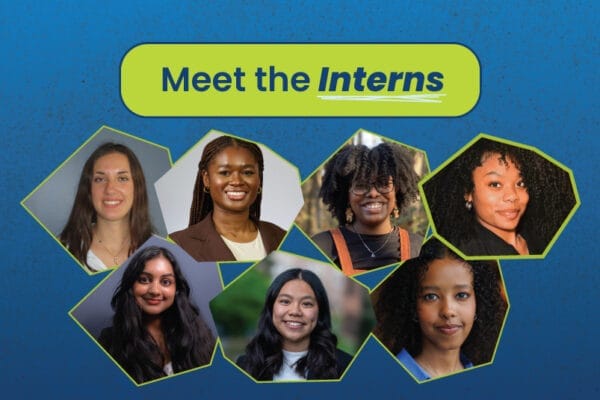
Back to School, Back to Connection: Prioritize Your Mental Health
August 8, 2025 — As students across the country return to classrooms (and late-night study sessions!), there’s a shared energy in the air — one full of excitement and unfiltered group chats about how stressful everything is in the world! The pressure to perform, get good grades, and to “get it all right” can quickly become overwhelming. This school year, instead of letting that stress take over, students have a powerful alternative: connection. By prioritizing relationships and meaningful conversations, you can create a more supportive and inclusive environment where no one feels like they have to carry it all alone. If there was one moment at this year’s Active Minds Mental Health Conference that had the room holding its breath, it was when Alexander Stewart took the stage. For the second year in a row, the independent artist and mental health advocate joined hundreds of young people in Washington D.C. for two days of powerful storytelling. He continues to be a trusted voice in the movement to change how young people talk about mental health. Alexander’s keynote address centered around vulnerability, healing, and how creativity can be a form of advocacy. Pulling from his personal experiences, he spoke with honesty, offering not just stories, but solidarity. “You don’t have to have it all figured out to share your truth,” he told the audience. “Sometimes, just showing up is the most honest thing you can do.” Throughout the conference, students shared how Alexander’s presence helped them feel seen, understood, and more empowered to speak about their own mental health journeys. That message — that showing up matters — is one we can all carry with us this Fall. For many of us, mental health is finally becoming part of daily life: we talk with friends about anxiety, read articles about self-care, or connect with a therapist when things get tough. But the reality is, not everyone is having those conversations yet. Many students still walk through school hallways or sit in classrooms where mental health is rarely acknowledged. That’s where you come in. You can be the one who opens the door and starts the conversation. There are countless ways to take action, and it all begins with tapping into the powerful resources from Active Minds. Start or join a student-led Active Minds Chapter to build community and create change on your campus. Invite a speaker from the Active Minds Speakers Bureau to bring powerful, lived-experience storytelling into your school. Download and use our Mental Health Curriculum, a free discussion guide perfect for classrooms, clubs, or youth groups. Check out the Your Voice is Your Power Resource Hub — it’s packed with everything you need to own your story, support your mental health, and make real change at your school and in your community. These tools make it easy to start meaningful conversations, no matter your experience level. If you’re looking to take your advocacy even further, apply for the Active Minds Advocacy Institute. This paid, year-long leadership program is designed to help students transform their ideas into real, lasting impact; on campus, in their communities, and in future careers. Participants will develop detailed action plans during fall 2025 and implement those plans in spring 2026, with mentorship and support from Active Minds every step of the way. In partnership with Active Minds, you can expand your impact beyond campus; maybe all the way to CONGRESS! Through our policy initiatives, students can explore current legislation that supports mental health and add their voice to the conversation. This school year, make sure to familiarize yourself with the issues and then contact your elected officials in your community. Right now, we're working on a growing initiative to add the 988 Suicide & Crisis Lifeline number to student ID cards. This student-driven effort is making mental health support more visible and accessible while helping to normalize help-seeking behavior and reduce stigma. By advocating for this simple yet meaningful change, students are showing that policy doesn’t have to be complicated — sometimes, it starts with a small, strategic step that makes a big difference on campus. Whether you're just starting out or have been advocating for years, this school year offers endless opportunities to care for your own mental health while also creating space for others to do the same. You don’t need to be an expert or have all the answers. You just need to be willing to show up, speak out, and support one another. Whatever step you decide to take this school year, remember that your voice matters, and your advocacy can help shape a system that prioritizes access to care for all. Ready to get involved? Visit activeminds.org to explore resources, join a chapter, or apply to a program today. The future of mental health starts with your story!
Read More
My Mind & Me
June 30, 2025 — Who are you? What will you do? How should you present yourself? It seems as though these questions played on repeat since I can remember, consuming my thoughts into the darkest parts of the night, taunting me as if they knew, I would never come up with an answer that felt right. I was seven, maybe then I should’ve known my brain worked just a little bit differently. I’ve always been acutely aware of how my story separates me from others. Not many people can say they were adopted from a developing Latin American country and whose family of origin is made up of adopted children, but I can. Growing up, I yearned to be like my friends, someone who looked like their peers in complexion and stature. When that didn’t work, I figured if I could just act like them, take the pieces that made them “normal” and make them my own, then I’d fit in. Then, I’d feel at home in my body. But my mind and body were already at war, and I was just along for the ride. It’s one thing to feel trapped in your own head, it’s quite another when circumstances beyond your control remind you how vulnerable to tragedy you are. What-ifs played out in montages behind my eyelids, turning restless days into sleepless nights. Darkness held my secret until it became too big to contain and I found myself in a room with a doctor, finally giving my puzzle pieces names. The funny thing about diagnoses is that they can create more questions than answers. Back then, I was given three to explain my emotional turmoil. While hearing the words depression, anxiety, and anorexia brought a sense of relief, it reminded me once again that I was not like everyone else. In fact, they only hid the deep-seated fact that I had grown accustomed to thinking so much about death I forgot how to live my life — too much water under the proverbial bridge — and quite frankly, I wasn’t ready to admit the truth to myself. While I may have moved on from my childhood home, the baggage I carried came with me to my college dorm. Except now, I was on my own in a new place and at the time telehealth options were limited. I spent the next three years drowning my growing awareness of mental health struggles, finding myself once again needing more professional help. Yet this time would be different because I now was ready to admit a few key pieces of my story: yes I’m a survivor of childhood trauma (leading to my PTSD and Borderline Personality diagnosis), yes I’m a survivor of religious trauma, and yes, I am queer. Perhaps I knew these things all along but was too scared to face the implications of my thoughts, especially with an already fractured image of myself. I mean, how does someone rebuild after admitting such heavy truths? The scary reality is, there isn’t a road map, and after spending years running, I didn’t know where to begin. I knew the masks that I made from others no longer fit, but who was I underneath that shield, and moreover, how could I become the best version of her? My therapist explained that we all have different parts that make us who we are. Some parts we are proud of, while others we tend to ignore. The real magic happens when we accept all our parts, allow them to heal, and find ways to support them moving forward. While that seems really daunting, all the power you need is within yourself, because you are the one you’ve been waiting for. I’m not saying that I have this whole identity puzzle figured out or that I don’t still have the questions of “Who are you? What will you do? How should you present yourself?” floating around in my head. But what I do know so far is that above all else, I am the keeper of my peace and happiness. Living in the shadows by conforming to the desires and opinions of others does not reflect who I truly am. Neither do the slew of diagnostic codes in my medical history. As someone on the continuous journey of discovery, I encourage you to let your story unfold and embrace the richness of your true self. I assure you that it's worth it.
Read MoreJuneteenth: Achieving True Freedom Through Mental Health Equity
June 19, 2025 — Juneteenth marks the anniversary of June 19, 1865, when news of freedom finally reached enslaved people in Texas — freedom that came too late for too many. As we honor this day, we remember that true freedom isn't just about laws, it's about making sure everyone can get the healing, care, and support they need. When we talk about mental health, we have to talk about the whole picture. Black Americans are 20% more likely to experience serious psychological distress, yet still face barriers that make getting help harder. Juneteenth serves as a powerful reminder to acknowledge and challenge ongoing racial inequities in mental healthcare, particularly those affecting Black communities. Even after the abolition of slavery, the pervasive effects of systemic injustices continue to ripple through generations, profoundly impacting the mental well-being of Black individuals in the U.S. and worldwide. As we advocate for equity and inclusion, it is crucial to recognize that freedom from slavery did not bring an end to racial discrimination. To fully grasp this issue, we must understand the critical difference between equality, giving everyone the same resources, and equity, providing support based on individual needs and circumstances. While we celebrate Juneteenth, we must acknowledge that the effects of systemic racism, intergenerational trauma, and daily microaggressions are widespread and don’t disappear with a holiday. They impact how Black youth show up, speak out, and care for ourselves and one another. Everyone deserves care without barriers and healing that honors their whole story. At times, creating systemic change as an individual can feel overwhelming. But meaningful progress takes time, just like the long path to Juneteenth’s federal recognition, over 150 years in the making. By supporting the mental and emotional well-being of others, especially those from historically marginalized communities, we’re helping to build a more equitable future, one action at a time. With these lasting goals in mind, we’re proud to uplift our 2025 Emerging Scholar Fellowship. This fellowship supports students who identify as Black, Indigenous, and/or People of Color (BIPOC) as they lead independent, transformative research at the intersection of mental health and identity. The fellowship is more than funding; it’s a platform for systemic change. Through mentorship, visibility, and resources, Active Minds supports these rising leaders as they challenge stigma and elevate historically marginalized voices in mental health. This Juneteenth, we’re thrilled to celebrate their bold vision for a more equitable future. Let Juneteenth be more than a commemoration; let it be a commitment to mental health equity and community care. Together, we can build a future where Black students are not just surviving, but thriving.
Read More
The Cost of Being Perfect on Paper
April 8, 2025 — The more I read and the closer I looked at the patients under my care, I could see High-Functioning Depression (HFD) was everywhere. But people couldn’t go to their doctor and ask for a diagnosis or a prescription for antidepressants for it. If they did, the doctor would run through a quick screening tool for […]
Read More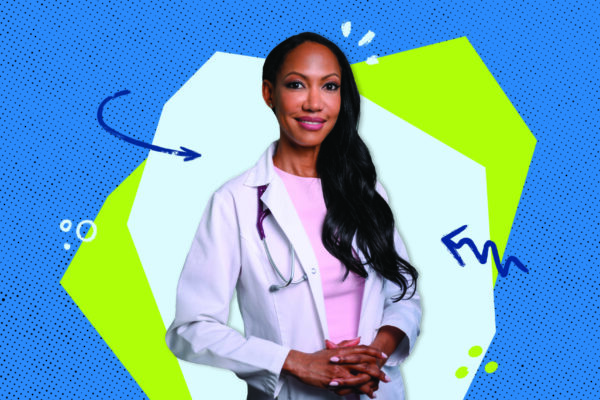
Active Minds Celebrates Surpassing 1,000 K-12 Schools in 1,000 Days: A Historic Milestone for Youth Mental Health
April 2, 2025 — We are beyond excited to announce a historic milestone in Active Minds’ journey: we’ve surpassed our goal of reaching 1,000 K-12 schools in 1,000 days, and we did it months ahead of schedule! Each of these K-12 schools joined our mental health movement by bringing Active Minds to their school, demonstrating a prioritization of mental […]
Read More
Remembering Brian: Twenty-Five Years Later
March 24, 2025 — At twenty five years, it’s about all the things he has missed. It’s the longing for everything that didn’t happen, the things that couldn’t happen, because he’s no longer here. Grief has been a strange road, one that cannot truly be explained. It started with being all-consuming, a disbelief that this stage in life was […]
Read More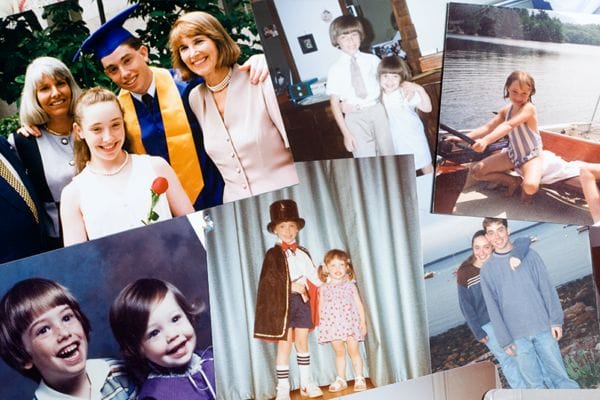
Chapter of the Month: Drexel University’s Innovative Approach
March 18, 2025 — Drexel University’s chapter shines as our latest Chapter of the Month for their proactive and creative approach to mental wellness and fostering community! Their recently launched “Motivation Monday” series on Instagram delivers regular encouragement and mental health tips, fostering a supportive digital community. PLUS, their thoughtful December holiday mental health event addressed the unique challenges […]
Read More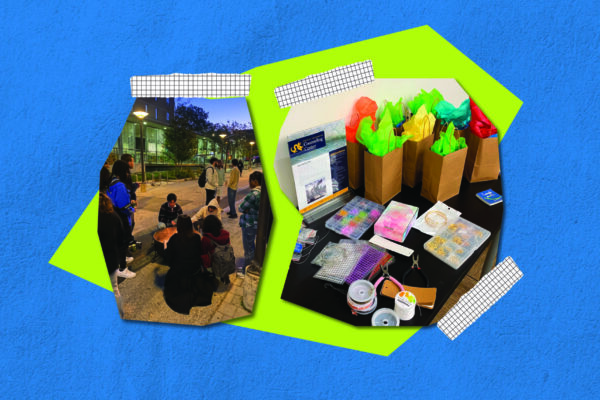
One Word, One Phrase, One Sentence.
February 24, 2025 — Black History Month is a special time to reflect on the past, present, and future accomplishments of Black Americans and individuals in the diaspora. It is also a time (as it should be year-round) to uplift the voices and words of the next generation, something that often gets overlooked. Reflecting on my journey, I realized […]
Read More
Spotlighting Creighton University as Chapter of the Month
February 20, 2025 — Creighton University is recognized as Chapter of the Month for outstanding advocacy work promoting mental health accessibility and awareness on campus. Their efforts range from text-based booking for counseling appointments to hosting lectures and events about approaching mental health holistically. Creighton University’s dedication to breaking down barriers and making mental health care easier to access […]
Read More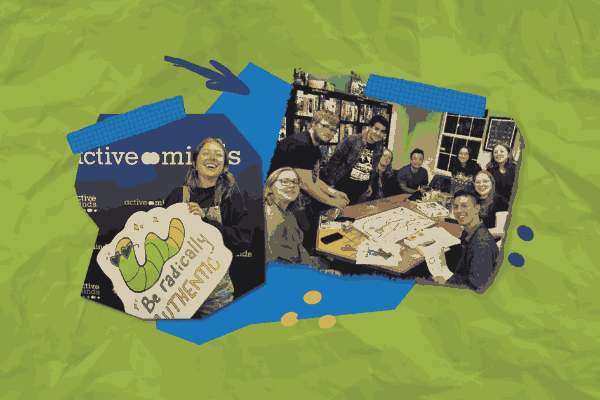
Celebrating the Incredible Emerging Scholars of 2025
January 29, 2025 — The Emerging Scholar Fellowship, generously supported by the Scattergood Foundation for Behavioral Health and Macy’s, is a unique opportunity for students who identify as Black, Indigenous, and/or Persons of Color (BIPOC) to work on their own groundbreaking mental health-related independent research. Active Minds is proud to facilitate change by supporting our fellows through funding, mentorship, […]
Read More
Martin Luther King Jr. National Day of Service and the Power of Supporting Our Communities
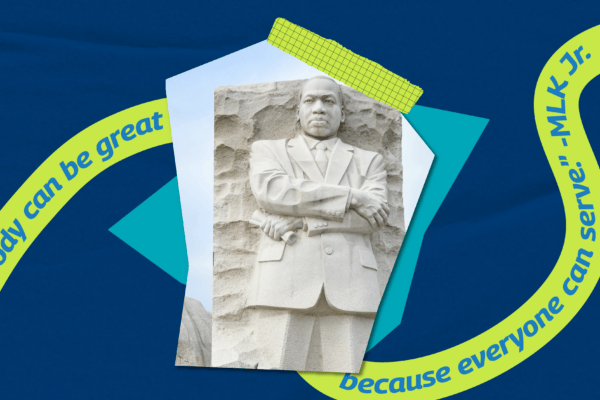
January 20, 2025 — Today, the 30th commemoration of Martin Luther King Jr. National Day of Service, celebrates the legacy of one of history’s most transformative leaders and calls on each of us to honor his life through action. Dr. King’s unwavering commitment to civil rights, social justice, and equality reminds us of the profound impact we can have […]
Read More