
Pre-Production: Protecting Yourself Before You Hit Record
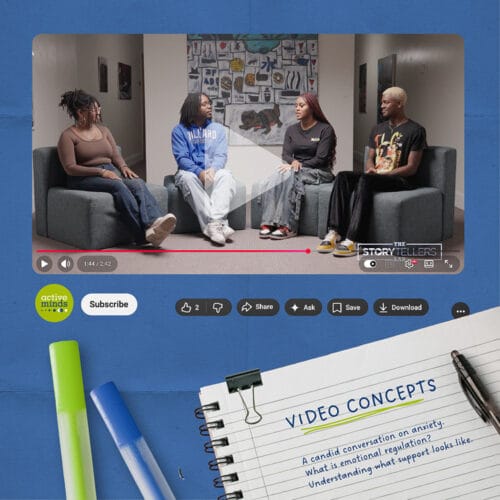
From Story to Screen: Responsible Mental Health Video Creation
Video content can powerfully humanize mental health struggles, but it also exposes you to intense scrutiny and permanent documentation of vulnerable moments. This guide helps you create impactful videos while protecting your digital wellbeing.
Freytag's Pyramid for Mental Health Videos
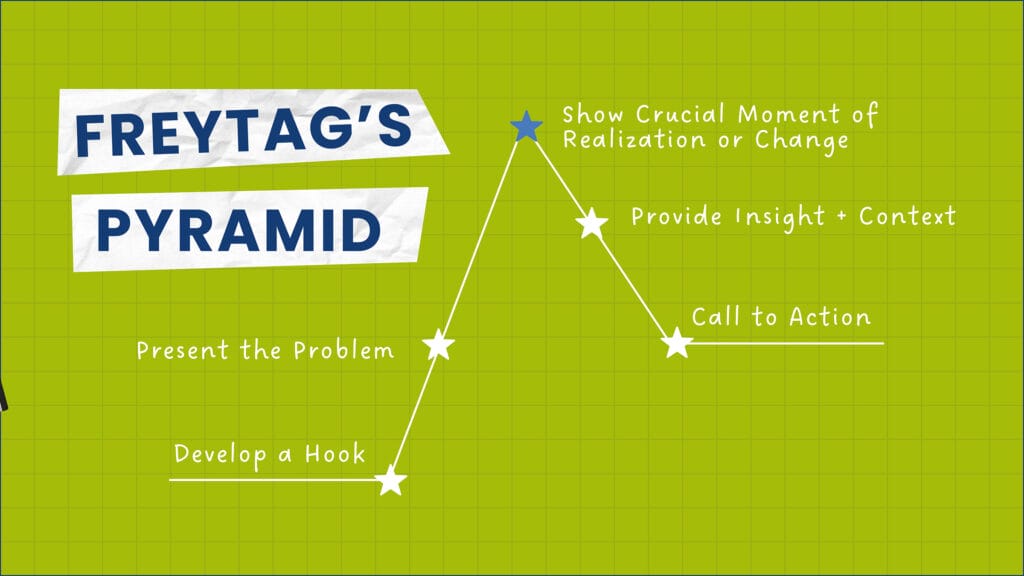
- Start with a relatable statement (“This is what anxiety actually looks like…”)
- Ask a question your audience struggles with (“Why don’t people understand depression?”)
- Show contrast (“What people think therapy is vs. what it actually is”)
- Use visual storytelling (before/after, day-in-the-life)
- Explain the mental health challenge or system failure
- Give context without overwhelming details
- Use facts or statistics to validate feelings
- Share the moment you realized change was needed
- Highlight what clicked for you
- Present the “aha” moment or breaking point
- Explain what you learned from your experience
- Share resources that helped you
- Connect your story to systemic issues
- Give ONE specific action viewers can take
- Direct them to resources, petitions, or events
- Encourage them to share their own experiences (if appropriate)
Digital wellbeing considerations
Platform-Specific Wellbeing Strategies
Wellbeing Features to Use
- Restricted mode for comments
- Filter keywords that might impact you
- Turn off notifications for likes/comments during vulnerable periods
Considerations
- Resist the pressure to share more than feels safe
- Prepare mentally or have someone else moderate
- Set specific times to check metrics
Wellbeing Features to Use
- Hidden words feature to filter comments
- Story highlights to categorize content
- Close friends feature for more vulnerable content
Considerations
- Longer caption space allows for more context and resources
- Stories disappear, giving you space to test content
Wellbeing Features to Use
- Community tab for ongoing conversation without new videos
- Premiere feature to control when content goes live
- Comments can be disabled entirely
Considerations
- Longer format allows for more nuance
- Algorithm less punishing than TikTok
- Easier to build genuine community over time
Managing Responses & Engagement
Set specific times to check responses rather than refreshing constantly throughout the day. Redirect people seeking personal advice to professionals, acknowledge those sharing trauma without taking responsibility for their healing, and either engage thoughtfully with criticism or ignore it entirely.
Remember that you’re an advocate, not a therapist. It’s not your job to fix everyone who finds your content.
When to Delete, Restrict, or Block
Protecting Your Energy While Creating
To create sustainably, batch film multiple videos when you’re in a good headspace. Consider having a support person present who can remind you of boundaries or stop filming if you become distressed.
Plan recovery time after posting vulnerable content since engagement can be emotionally draining even when positive. Maintain ownership of your story by not feeling pressured to share details simply because people ask.
When to Take a Break
Final Considerations
Video content about mental health can help others feel less alone, but it shouldn’t come at the cost of your own wellbeing. The most powerful mental health advocates maintain boundaries that protect their energy and privacy while still sharing authentically. Focus on creating content that serves your advocacy goals and feels sustainable for your mental health.
Next Step? Take Action.
Estimated Action Time:
hoursCreate impactful videos to educate others and advocate for systemic mental health change while protecting your digital wellbeing.
In this article
Related Resources