Winter Blues? Chapter Ideas for Community Care
December 10, 2025 — As the days grow shorter and the weather turns colder, many of us may begin to experience low energy, difficulty concentrating, withdrawal from hobbies or social activities, excessive sleeping, feelings of isolation, and depression. This time of year can be challenging, so let’s make sure we’re taking gentle care of ourselves and of one another. We’re providing some tips to support your own well-being and foster connection within your chapter this winter. The experiences described above could be Seasonal Affective Disorder (SAD). If you think you might have SAD, please reach out to your local or school mental health resources for support. A Few Simple Ways To Support Your Well-Being Step outside: Soak in natural daylight whenever possible. Keep a cozy routine: Consistent sleep and small comforts go a long way. Stay connected: Reach out to friends, family, or your Active Minds chapter. Stay physically active: Even a few stretches or a short walk can lift your spirits. Ask for support: If things start to feel overwhelming, reach out to others for support. Chapter Gathering Ideas To Boost Your Chapter's Mood DIY Hot Cocoa Party: Make your own cocoa with fun toppings like marshmallows, cinnamon, or chocolate chips while fostering connection. Movie Time: Cozy up and watch a feel-good movie that can bring laughter and joy. Games & Puzzles Together: Enjoy card games, board games, or puzzles in a relaxed, friendly space. Crafting Hour: Spend time coloring, collaging, knitting, etc, during a free period or after school in a calm, welcoming space Fresh Air Walks: Enjoy daylight and stretch your legs with friends on a short group walk If you or someone you know needs extra support, explore links to crisis support and national resources on our website. Thank you for bringing connection and care to your campus communities. Your efforts make a difference, especially during times when so many of us need warmth and support.
Read More
What 22 Years of Student Advocacy Looks Like
December 8, 2025 — When Alison Malmon founded Active Minds in 2003, she initiated a ripple effect of change that continues to expand over two decades later. By using her voice to break the silence surrounding mental health, she created a space where thousands of students could eventually find their own footing, find their community, and find their power to mobilize around mental health. My story is just one example of that ripple effect in action, turning a moment of personal need into a lifelong purpose of leading the mental health movement. My Journey From Mental Health Advocate to Mental Health Professional My advocacy journey truly began in my freshman year of college. I come from a background where mental health was stigmatized and rarely discussed. But the independence of college offered me the autonomy to explore what I was feeling and address my mental health. As I navigated my own struggles, I realized two things: culturally competent care was hard to find, and there were absolutely no student organizations dedicated to mental health on my campus. Rather than discouraging me, these gaps fueled a desire not only to understand my own needs but also to create that space for others. This was the start of my transition to becoming informed — realizing I had the control to educate myself and the passion to ensure no one else had to face those barriers alone. That awareness transformed into action during my sophomore year when I discovered an emerging Active Minds Chapter on my campus. I was scared, but I worked up the courage to speak with the organizers and get involved, and that choice launched me into mental health mobilization work that defined my college experience. Before I knew it, my engagement deepened as I became a member of my chapter’s executive team, later becoming President, where I realized the true impact of our work. We built such a strong reputation as a safe space that other student organizations, including Greek life, started coming to us to collaborate. That was the moment I realized I had become a mental health champion, and that our advocacy was reshaping the culture on my campus and in my community. Today, I have moved from a student leader to a mental health professional. In my full-time role at a mental health nonprofit, I now have the privilege of supporting young mental health advocates through programming that guides students through their own mobilization journeys. My work is no longer centered on my own advocacy, but on building the infrastructure for others to find theirs. Just as Active Minds created a space that allowed me to grow, I now work every day to create those same spaces for the next generation of mental health advocates. By giving the students we support today the resources and confidence to become the changemakers of tomorrow, we are sustaining a movement much bigger than any of our individual efforts. Want To Take the Next Step on Your Mental Health Advocacy Journey? You don’t have to be an expert to make a difference — you just have to be brave enough to start. Check out three ways you can get involved with Active Minds: Create a safe space for your peers to discuss mental health by starting an Active Minds chapter at your school. Apply for programs like the Mental Health Advocacy Academy and the Active Minds Institute and implement a mental health project in your community. Sign up for our newsletter to get the latest webinars, engagement opportunities, and mental health resources sent directly to your inbox.
Read More
Feeling Burned Out Before Finals? Here’s How to Fix It
December 6, 2025 — It’s 2 a.m., your eyes are burning from staring at your laptop, and you're running on your second energy drink. The project still isn't done, and it feels like your brain is barely hanging on. If you’ve ever had a night like that, you’re not alone. Burnout is something many students experience, and it's not just about being tired. It's the kind of exhaustion that creeps in slowly and makes everything feel harder to do than it should be. I’ve been there too, and I want to talk about what it is, how to spot it, and what you can actually do to feel better. What Burnout Really Feels Like Burnout goes way beyond just being sleepy after a late night. It’s physical, emotional, and mental exhaustion, all mixed together. According to the Mayo Clinic, burnout can show up in different ways, such as: Feeling tired all the time, even after a full night of sleep Feeling stressed, stuck, or disconnected Struggling to stay motivated, even doing things you usually enjoy Not performing well in school, even when you try Being short with people or just wanting to be alone For many students, burnout can often come from trying to juggle too much. Between classes, extracurriculars, sports, jobs, and trying to have a social life, it can feel like there's never enough time or energy. My Burnout Story During my sophomore year, I said yes to everything. I was in clubs, competitions, honor societies, and constantly studying. I told myself that being busy was good, that I was being productive. But after a few months, I started waking up every day feeling completely drained. I wasn’t excited about the things I used to love. I kept pushing through, thinking it would pass. It didn’t. Eventually, I reached a point where even small things like answering emails or doing homework felt overwhelming. That’s when I realized this wasn’t just stress. It was burnout. What Helped Me Manage It Burnout doesn’t go away overnight, but there are things that can help you get back on track. Here’s what worked for me: 1. I started saying no This was hard at first, but I had to remind myself that doing less doesn't mean I'm doing worse. I dropped one activity and didn’t feel guilty about it. 2. I set boundaries I stopped doing homework past a certain time and made sure to take short breaks while studying. It made my time more focused and gave myself space to relax. 3. I reached out Talking to someone made a huge difference. Whether it's a parent, friend, counselor, or teacher, just saying “I’m not okay” took some of the weight off. 4. I made time for things I enjoy I started going to the gym again, playing tennis, and watching shows without feeling guilty. These little things helped me feel recharged. 5. I learned more about what was going on Learning more about burnout helped me to overcome my own experiences with it. You can check out articles like this one from Oxford Learning for tips on preventing burnout in high school. It’s helpful for high school students — and even for parents — trying to understand what’s going on. How You Can Catch Burnout Early The best way to address burnout is to catch it before it gets harder to manage. Keep an eye out for signs like constant tiredness, low motivation, or just not feeling like yourself. The APA’s research shows that teens are feeling more stress than ever, and ignoring it doesn’t make it go away. Burnout doesn't mean you're lazy or failing. It means your body and mind are asking for a break. School should be a challenge, but it shouldn’t leave you feeling miserable every day. You don’t have to be in survival mode all the time. Take a deep breath. Step back when you need to. And remember that your mental health matters just as much as your grades.
Read More
Best Self-Care Tips for Colder, Darker Days (Shared by Our Fall 2025 Interns)
December 2, 2025 — As the days shorten and the weather grows cooler, we're taking a moment to introduce our Fall 2025 interns! They've been hard at work, and to help us all combat the darker days, they shared their secrets for finding comfort and balance. Read our Fall 2025 interns Q&A to discover our interns’ favorite cozy rituals, the easiest things they do for self-care, and what they are most thankful for this year.
Read More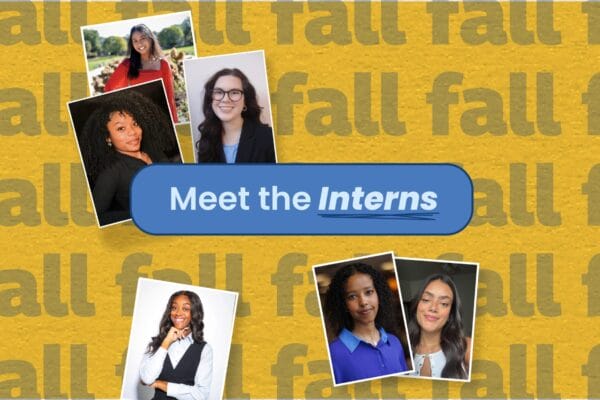
Grief Doesn’t Have to Be Simple: International Survivors of Suicide Loss Day
November 22, 2025 — There is a difference between a father and a dad. A father is your biological parent, whereas a dad is somebody who actually provides support and raises you. I never really knew my father, and until I was 14 years old, I never had a dad, either. In 2018, my mother started dating somebody who would leave a lasting impact on my life. This was the first time that I remembered ever living with a man and having a father figure, even if he wasn’t my ‘real’ dad. Even though he and my mom never married, I still consider him my stepfather because he was the closest I have ever come to having a dad. He taught me that I wasn’t unlovable, and he stepped up to be somebody that I never knew how much I needed until I lost him. In 2019, my stepfather died by suicide. My support system and community are, undoubtedly, the only things that got me through my grief. I remember being at his funeral and getting that burning feeling in my throat from holding back my tears. I didn’t think I deserved to grieve him. He wasn’t my father, and I wasn’t his kid. There were other people closer to him who were grieving him, so it felt selfish to take that away from them. Grief is complicated. It’s been six years since my stepfather passed, and this is my first time really talking about him with anyone who isn't in my family. Every day, I grieve him in my own ways. I show up for myself since he is no longer able to. Even though my community is small, it is strong. My whole family grieved my stepfather together, and there was never a moment when I didn’t have them standing by my side. My friends may not be able to understand my grief, but they still show up and support me unconditionally. While I am strong, I’m not sure how I would have been able to get through this period of my life without my community. They’ve helped me learn that it’s okay to grieve him. It’s okay to be sad or to be angry or to be confused. They helped me realize that blood isn’t the only type of family, and that although Joe wasn’t blood, he was family. It’s Strong to Ask for Help No one deserves to feel alone in their grief. If you are reading this and struggling to carry the weight of your loss, please know that your courage lies in reaching out. This International Survivors of Suicide Loss Day, let's honor our loved ones by creating a world where mental health struggles and grieving are met with open arms. You are a survivor. You are strong. You do not have to walk this path alone. Remember, it’s okay to ask for help and lean on somebody. You can find support within your family, friends, community, teachers, and even strangers. There are resources like grief counseling, support groups, and crisis help lines available to support you. If you are in need of immediate crisis support, consider reaching out to the following dedicated organizations: 988 Suicide & Crisis Lifeline: Call 988 or Text BRAVE to 741-741 Trevor Project: Call 866-488-7386 or Text START to 678-678
Read More
Holding Grief and Resilience on Transgender Day of Remembrance
November 20, 2025 — This year, 2025, has felt heavy. At times, the moments of resilience, hope, and community have been overshadowed by a campaign of anti-trans legislation and toxic rhetoric. It’s a pervasive storm of violence that has led to measurable loss — from the erosion of access to life-saving gender-affirming care, to the many lives taken too soon this year. Bearing witness to this trauma has intensified the mental health crisis within the trans community to a breaking point. Today, we observe Transgender Day of Remembrance, a time to mourn the lives lost to anti-trans violence. The truth of this year’s loss, captured in Advocates For Trans Equality’s 2025 Remembrance Report, is staggering. There have been 58 known trans people who have passed away since last November. Of that number, 27 were lost to acts of violence, and 21 were lost to suicide. These statistics represent a devastating toll that underscores the profound distress caused by systemic transphobia and isolation. We know that these numbers are tragically incomplete, as violence, especially against trans women of color, is vastly underreported. Yet, the data we do have is clear: 63% of the known violent deaths were Black trans women, a brutal reminder that race and gender identity intersect to create disproportionate risk. And 61% of all those lost to suicide were trans youth ages 15-24, a reminder of the essential need to support young people in their moments of vulnerability. Each person lost represents a future denied. This loss is not abstract; it is felt deeply and collectively throughout our community. To every transgender person carrying the weight of this loss, I want to acknowledge the monumental, revolutionary strength it takes to keep showing up. To stare down a world that demands your conformity and still make the bravest decision one could make — to choose yourself — is an act of profound courage. To our allies, thank you for showing up with us today. We are standing together in this moment, turning our grief into a powerful movement for change, dignity, and life. This crisis demands action beyond solidarity. Allies must recognize the urgency of this moment and step forward to actively protect the trans community. Thank you for supporting the trans people in your life and coming on this journey with us. Whatever feelings this day evokes, remember you do not have to carry them alone. Active Minds welcomes you to bring yourself and your grief to experience them in community. We are here for you. At Active Minds, you are more than just welcome. You are seen. You belong. You are supported. You are safe. Need Extra Support Today? On difficult days like today, resources are available from those who understand. If you are experiencing a moment of crisis, please reach out to these vital lines for peer and mental health support: Call Blackline at 1-800-604-5841 Call TransLifeline at (877) 565-8860 Call Trevor Project at 866-488-7386 or Text START to 678-678
Read More
Youth Spotlight: Meet the Teen Revolutionizing Eating Disorder Prevention
November 10, 2025 — At Active Minds, we believe in the power of young leaders to transform the mental health landscape. Our Youth Spotlight series is dedicated to celebrating exceptional young people who are founders, advocates, and changemakers, using their passion and purpose to create real impact in their communities and beyond. Advocacy and Policy Youth Spotlight: Diya Mankotia We are incredibly proud to shine a light on this month’s featured leader: Diya Mankotia, a 17-year-old senior based in Austin, Texas.
Read MoreHow Cultural Traditions Become Mental Health Care
November 7, 2025 — As a young woman of color, I’ve learned that culture isn’t just about remembering where we come from; it’s about keeping those memories alive through movement, creativity, and community. My connection to my heritage has always been strongest when I’m dancing or creating art with my hands. For me, both Mexican folklórico dancing and the Ojo de Dios, or “Eye of God,” are expressions of resilience, faith, and identity. When I first started dancing in middle school, it was the first time I truly felt something. I was never athletic or into sports, and ballet wasn’t something I could afford or felt drawn to. But when I discovered ballet folklórico, something clicked. The colorful skirts, the rhythmic steps, the music that echoed through each performance… they all carried stories that words alone could never tell. It felt like it was made for me because it came from my background. Each dance was like learning about myself, a form of finding myself within movement, color, and community. Although folklórico dancing is often associated with Mexican culture, it has deep Indigenous roots that connect traditions across the Southwest. In my home state, it’s more than performance — it’s storytelling. It’s a living archive of our community’s survival, celebration, and adaptation. And for me, it has become a form of mental health care, a way to express emotions I was never taught to name. Each dance is a history lesson in motion. The way we move our feet, the way the ribbons or scarves flow, even the designs of our clothing, they all have meaning. Through dancing, I’ve learned patience, discipline, and pride in who I am. I’ve also learned that joy is a form of resistance. For Native and Indigenous people, simply existing in our traditions — smiling, dancing, singing — is an act of defiance against centuries that tried to silence us. The Ojo de Dios holds a similar kind of power. I grew up seeing them everywhere, hanging on doors, walls, and altars in the homes of my tías, tíos, and family friends, without ever really knowing what they meant. Traditionally made by the Huichol and Tepehuán people of Mexico, the Ojo de Dios represents the four elements and the ability to see and understand what is unseen. In my community, creating one is a small act of love and intention. Each layer of yarn represents a loved one, the outer layer is often a male figure, maybe a cousin who loves tomatoes, symbolized by red for his strength and the joy he brings to your life. The next layer might be blue, for my grandmother’s eyes and her kindness, or green, for the growth we hope to nurture within ourselves and our community. As the threads cross, they form a pattern that feels sacred, a woven reflection of connection, gratitude, and balance. Making an Ojo de Dios is also an act of mindfulness. Every turn of the yarn feels like a prayer, a grounding in the present. In my culture, we don’t often talk about emotions or go to counseling. Healing isn’t spoken; it’s lived. It happens through tradition, through family, through showing up for one another even when words fail. When I create or dance, silence becomes expression. I don’t need to explain what I feel, it’s already there in the rhythm, in the colors, in the movement. That is my form of counseling. And while I believe our communities deserve access to real mental health support in the future, I also believe we need to meet people where they are. For many of us, healing happens in these spaces, through art, movement, and shared culture, because that’s where we feel seen, comfortable, and whole. To me, mental health and culture aren’t separate — they sustain each other. The Ojo de Dios teaches patience; dancing teaches courage. Both remind me that wellness comes from remembering who you are. This Native American Heritage Month, I hope others find strength in their own cultural roots — whether through art, language, music, or movement. Because when we honor where we come from, we begin to heal where we are.
Read More
Gen-Z is the Next Caregiving Generation
October 21, 2025 — Caregiving is a weighted word — especially for Gen-Z, now at the forefront of family care. For me, it brings up many feelings, like frustration and stress. A caregiver supports a loved one through physical help, emotional care, or financial aid. The role is deeply personal. For some, it's a cultural expectation, making it a big part of who they are. For others, it's an unavoidable duty, something that they didn’t have much say in. Caring.com reported that about 72% of Gen-Z plan to provide some type of care for their parents. And for those who are already providing care, this can be not only a physically and economically exhausting job, but also a mentally taxing one. Young adults already manage school, work, and social life; caregiving is one more responsibility piled on their plates. This all can cause social isolation, academic burnout, and professional struggles. Gen-Z is quickly becoming the new face of family caregiving, often influenced by cultural or familial responsibility. I invited two fellow Gen-Z caregivers, Jorge Alvarez (a full-time professional) and Carolyn Dao (a full-time student), to share their unique experiences with me through a series of Q&As. Learn more about them below! What does providing caregiving for your family mean to you, and what does it look like? Jorge: For me, caregiving isn’t just about stepping into a role you didn’t expect, but doing so, surely, out of love, but often out of necessity. I became a caregiver for my mom in less than 24 hours, without much preparation, after she had a major surgery. I supported her with everything from bathing and feeding her to coordinating appointments; all while adjusting to adulthood and living on my own for the first time. It was overwhelming, but it taught me how important it is to have plans for caregiving or at least know where to find resources and learn more about what support systems exist for us. How has your view on caregiving evolved throughout your experiences with it? Carolyn: Before I started taking care of my grandparents, I thought that mainly older adults did it as a full-time job. But growing up, my dad, aunts, and uncles would all pitch in to assist my grandparents. I thought that I could be a kid for a little longer. However, I realized that being a caregiver can start at any age. Caregiving allowed me to have an early look at how adults manage to balance all sorts of things, and taught me how to balance out caregiving, school, and mental health. Research has shown that caregiving for a family member can bring up a lot of complex emotions. What feelings have come up for you in your caregiving journey? Jorge: I’ve felt love and gratitude, but also resentment, guilt, exhaustion, and fear. There were moments when I felt like I had to put my life on pause, and that was hard to accept. I constantly questioned if I was doing enough or doing it “right.” I felt guilty and anxious when I couldn’t help. It’s a deeply human experience that pushes you to confront your limits while trying to protect someone else’s dignity, while prioritizing your own mental health and well-being. What support has been helpful in processing your feelings and taking care of your mental health throughout your experiences with caregiving? Are there any resources that you think are missing to better support caregivers? Carolyn: Having open conversations with those I trust helped me carry the weight on my shoulders. They allowed me to speak my mind while understanding the situation I was in. While there are support systems out there for adult caregivers, there are not many for Gen-Z ones, as they are just as capable and experience the [same] emotions. Caregiving is a difficult, yet often unrecognized, job that impacts the mental health of young adults. Active Minds recognizes that caregiving duties significantly impact the mental health of young adults. That’s why we encourage you to join us for our upcoming caregiving workshop — either to learn about caregiving or share your own challenges and experiences as a caregiver. Let’s work together to identify and shape resource ideas for Gen-Z caregivers like you and me. Register today to join us for a workshop on caregiving on Thursday, November 13th at 7:00 PM ET!
Read More
Hume R-VIII School Explores the Art of Connection
October 19, 2025 — We are excited to celebrate Hume R-VIII School as our October Chapter of the Month! This chapter turned a powerful vision into a beautiful reality, and we're highlighting their commitment to mental well-being. Their success is rooted in strong initiatives driven by students, from hosting a speaker on connection and anti-bullying strategies to leading the creation of a powerful community mural. What began as a vision to promote awareness through art manifested as a resounding success thanks to the power of community collaboration. Read the Q&A below to find out how this small chapter made such a big, colorful impact! Tell us about your school & chapter. We are a small Pre-K through 12 public school in rural Missouri. We launched our chapter last year, and our chapter emphasizes promoting positive mental health combined with art. Students in grades 6-12 are welcome to participate. We currently have 9 active members from last year, and we’re looking for more students to join this year! Why is mental health important to your chapter and school? Our students value mental health and checking in on one another. This year all of our staff completed Mental Health First Aid. We want our students and staff to have the support and resources they need to thrive. Life can be tough and it's okay to ask for help! Do you have a favorite chapter memory? Early last summer, our chapter finished a city mural on a wall at the community basketball court. Chapter members designed, developed, and painted the mural while involving the community. We also hosted a guest speaker on digital safety and cyberbullying for students, as well as a positive mindset. Our favorite chapter memory was coming together and painting the mural. Having the community support and seeing the reaction was incredible. We enjoyed working together to come up with the design and the process of the mural. What’s a mental health mantra or a short piece of advice your chapter lives by? Together we are better. We know the community and school are connected, along with local small businesses. The more we prioritize mental health, the more we enjoy life.
Read More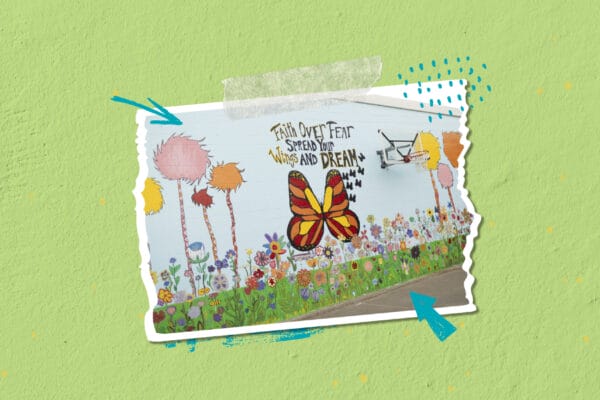
Mental Health and Me: Navigating Culture, Family, and Expectations
October 14, 2025 — This Hispanic Heritage Month, I’m thinking about the state of mental health in our community. I reflect on my early years and the challenges I faced navigating expectations and culture in my Hispanic family. Growing up, I experienced personal challenges because within our culture, mental health was frequently disregarded and undertreated. This reality meant that to avoid the judgment and misunderstanding, I had to learn to deal with my mental health problems in private. And I know this is a reality that many people who come of age in Hispanic households can relate to. I felt really confined as a young girl because I didn't feel like I could tell my family about my mental health struggles. I worried that if I told them I was depressed, they wouldn't understand and would try to convince me that I wasn't ill. And when I did the brave thing and spoke up about my mental health, the fears I had were validated. When I finally opened up, my mother dismissed my feelings. She told me that people in our religion and culture don't get depressed. I was told that it was a sin to have negative feelings about myself because I was God’s creation and that it wasn’t right to criticize his work. It was devastating to hear in such a vulnerable moment. Fortunately, when I decided to tell my father about what I was feeling, he understood. Having faced similar emotional roadblocks with his own mother, he knew what I was going through. He tried his best to console me and urged me to seek help, whether it was through school counseling or therapy. My father's support became a crucial source of comfort, but it was still a long road. It took me a very long time to fully accept my mental condition and be honest with myself. I was sick of feeling alone, and I wanted to talk to someone other than my friends about how I was feeling. This difficulty I had in sharing what I was going through with my family, exacerbated by the fear of rejection, highlights a major barrier to mental health support that is tragically common across many underserved communities. I want to share my story to highlight how important it is to feel safe being open about mental health challenges, particularly within spaces where it hasn’t always been encouraged. Throughout my upbringing in a Hispanic household, I witnessed firsthand how stigma, cultural norms, or the expectation that we need to "be strong" may lead mental health to be disregarded or ignored. This collective silence is a public health crisis that demands immediate attention. You never really know what someone might be going through, and the serious mental health challenges they might be navigating in silence. And no one deserves to go through their mental health journey alone. We have to overcome these harmful biases and the antiquated norms that keep so many of us silent. By actively challenging this stigma and making discussions about mental health more commonplace, we can create a supportive and empathetic society where people can open up about their difficulties without feeling ashamed. The key takeaway from my journey is that seeking help is an act of strength, not shame. We must do what my father did: actively break the cycle and choose a path different from the one we grew up with. Everyone deserves to be met with acceptance and compassion, rather than judgment, if we are to see real progress for both the present and future generations.
Read More
Coming Out Lessons and the Evolution of Self
October 11, 2025 — “Haha, isn’t that weird? I would never kiss a girl!” my middle school friend exclaimed after telling me about her friend who came out as lesbian. Silence was my answer as I thought to myself, “Kissing another girl? Hm... I wouldn't mind that actually.” Going to a private Christian school and being conditioned into thinking that same-sex relationships were “morally offensive”, I held these thoughts inside and never acted on them. My sheltered upbringing was shattered once I later met “real-life lesbians”. Talking with them broadened my perspective and opened a new path in my journey of self-discovery. Your First "Aha!" Moment Doesn’t Need to be Your Final Answer I began exploring my sexuality and proclaiming to my coworkers, "I am a lesbian!” Then I got a boyfriend and said, “Well... I’m just bisexual.” A few months later, “We broke up, and I am definitely a lesbian.” “So, you know how I said I was lesbian? Well, actually..." The cycle continued and the shame built. Why don’t I have figured out? (because surely a 16-year old would have their identity fully realized by then… right?). To me and my peers, “coming out” = “having it figured out” and I was nowhere close to meeting that social expectation; a shackling mentality. Lesson #1: An initial declaration of identity is a point on a map, not the final destination. Give yourself — and others — the grace to revise as you continue on the journey of finding yourself. The willingness to change your mind is a sign of growth and honest introspection, not failure. Authentic Self-Expression Precedes Self-Acceptance I shoved my shame deep within me, hoping to cover the cracks and bury it beyond where the light could shine. Despite that internal struggle, I began to act authentically. I cut my hair short and embraced more masculine clothes. I attended pride events and consumed LGBTQ+ media (seeing trans actors in the TV show Pose was transformative). As I began meeting new people, watching compelling stories on TV, and learning new ways to articulate my experience, the light broke through and I had a revelation.While I was acting with self-acceptance, I had not internalized it. I realized I didn't even accept myself, period. Deep inside, I was a wounded child whose sense of self was bound by many layers of shame. I shed the desperate need to label and hesitantly embraced a new mantra: I love who I love, and I am who I am. Lesson #2: True self-acceptance is an internal job. The most immediate thing you can do to start the process is to act authentically — even if you haven't named or rationalized why you're doing it. By stepping into those small acts of authentic expression (like the clothes and haircut), you create evidence for your mind that a different, truer self is possible. Start by doing what feels right, and the understanding of yourself will eventually catch up. Embrace the Evolution, Not the Conclusion Time passed, and I began college and therapy. My identity felt unstable, and a new crack appeared: my body felt foreign. I had to ask myself big questions. Who was I outside of the hyperfeminity I was conditioned into? Where did the “butch queer woman” end and the “I’m just a little guy” begin? I entertained the idea of trans-masculinity and adorned He/Him pronouns for the first time. It felt... liberating. I began to wear He/Him pins around campus, I changed my pronouns on my social media accounts, and I eventually started taking testosterone. Outside of intimate conversations I had with loved ones, I did not feel led to make any public declarations of my gender identity. This time, I approached coming out differently from my past experiences of the back-and-forth proclamations. For those that asked, I shared and to those that knew, knew. It was through this that I came to a critical realization: understanding yourself is a continuous practice. Those many layers and cracks I shamed myself for became fractals for the light to shine through. I embraced their hues and released the pressure to have myself "figured out". Through this, my inner child was freed to authentically be himself and the shackles that bound me fell to my feet. Lesson #3: Coming out is an ongoing process. Release the pressure to have yourself "figured out." Instead, find joy and strength in the ambiguity. Embrace the profound beauty of this continuous, often messy, journey of self-discovery. I am a gender nonconforming queer being and I am proud of who I am. Of course I still struggle with my self-image and, fortunately, I am still figuring myself out. But as I take this time to recognize National Coming Out Day, I celebrate my journey and hope today you’re able to embrace yours too.
Read More