Mindfulness as Resilience
May 12, 2026 — I still remember how uncomfortable silence used to feel whenever mental health came up around me, especially after losing someone I loved to suicide, because even when people cared, there was this strange hesitation in conversations where everybody seemed afraid of saying the wrong thing and so instead they said almost nothing at all. I carried that silence for a long time. A lot of my early understanding of mental health was shaped by watching people continue functioning through grief without ever really discussing what grief was doing to them privately, and I think because of that, I became very good at acting emotionally “fine” in ways that looked convincing from the outside. I knew how to keep showing up to school, work, meetings, community events, and responsibilities even when internally everything felt disconnected and heavy, and for a while I genuinely thought that was what strength was supposed to look like. Looking back now, I think I spent years trying to make difficult experiences appear smaller so other people would feel more comfortable around them. Even writing this now, I still catch myself wanting to soften certain details before saying them directly. Some habits stay in your body longer than you expect them to. Mental Health Awareness Month feels different to me now because I have seen what happens when people stop editing themselves quite so heavily around each other. Over the last few years, especially through community health work, advocacy spaces, and student conversations, I have watched people slowly become more willing to say things out loud that they used to keep hidden behind jokes, overworking, isolation, or constant busyness. I have sat with students making therapy bags while somebody quietly admitted they had not been okay for months. I have had conversations outside campus buildings at night where someone suddenly shares something deeply personal and then immediately changes the subject because vulnerability still feels unfamiliar to them. I have watched people pause mid-sentence like they are deciding in real time whether they are allowed to tell the truth. Those moments stay with me more than any polished campaign language ever does because they feel human in a very specific way. Not inspirational. Not perfectly resolved. Just honest for a second. I think losing someone changed the way I listen to other people too. Before, I often approached conversations thinking I needed to have the “right” response ready, something comforting or useful or carefully worded, but grief taught me that people usually remember presence more than perfection. Sometimes what stays with somebody is not advice, it is simply the fact that another person did not immediately pull away from their pain or rush to make it easier to digest. That realization changed me slowly. I became more honest about my own mental health. I became less interested in appearing endlessly capable all the time. There are still moments where I struggle with vulnerability, especially because being “the supportive person” can quietly become its own role that feels difficult to step outside of, but I no longer feel the same pressure to package every painful experience into something motivational before I am allowed to speak about it. Some experiences do not become neat lessons. Some things just change you permanently and then life continues around that fact. A few things I keep thinking about this Mental Health Awareness Month: people are often carrying much more than what is visible in public there is a difference between somebody hearing your story and somebody making you feel safe enough to tell it emotional exhaustion can hide itself inside productivity for a very long time some of the most important conversations happen after events technically end, when people linger instead of leaving healing can look extremely ordinary sometimes (eating something, replying to a message, sitting outside for ten quiet minutes because your room suddenly feels too small) I have become gentler with myself than I used to be, although honestly, I am still learning how to do that consistently When I think about the power of our story now, I do not think about perfectly written narratives or inspirational speeches. I think about the smaller moments that change the feeling of a room almost invisibly. Somebody said ‘me too’ very quietly. Somebody admitting they are tired in a way sleep cannot fix. Somebody finally using words for something they have carried silently for years. Those moments matter to me because they remind people that they are not strange for struggling and they are not failing for being overwhelmed. I think stories become powerful the moment another person recognizes themselves inside them (even briefly) because once honesty enters a room people tend to breathe differently afterwards. (: Get Involved Ever thought about how your mental health journey could be the blueprint someone else needs? Tell your story on our blog and show the world what mental health mobilization looks like today. Find out how to submit your story on our website.
Read More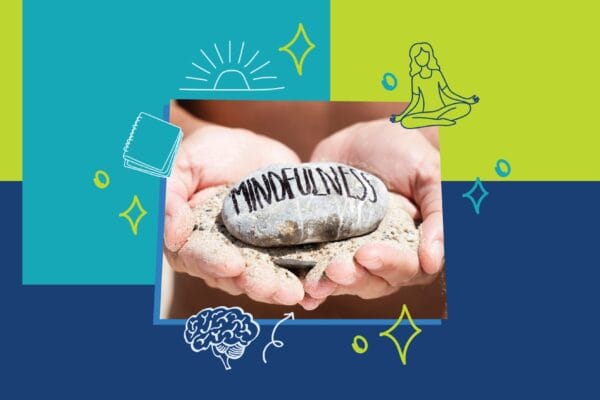
From Campus to Capitol Hill: Youth Push Congress to Transform Mental Health Care as Active Minds Advances Its Bipartisan Federal Bill — the Campus Lifeline Act
May 5, 2026 — The Campus Lifeline Act aims to expand access to campus mental health resources, and increase visibility of the 988 Lifeline among young adults.
Read More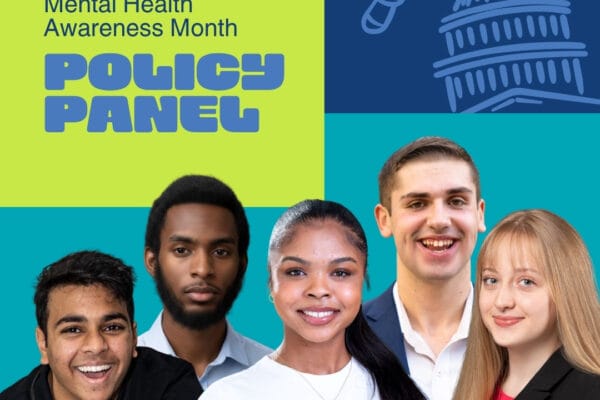
What Loss Inspires: A Mental Health Advocacy Institute Story
April 27, 2026 — Loss has a way of reshaping not only how we see the world, but also how we choose to move through it. During my freshman year of college, a friend died by suicide, an experience that fundamentally altered my sense of purpose. As co-captains on the basketball team, she taught me how to advocate for others and lead with purpose. Grieving her loss, I simultaneously felt a profound need to aid and prevent others from experiencing similar tragic losses. This became the foundation of my commitment to mental health advocacy. In the time that followed, I sought out ways to turn that commitment into action. I joined my university’s counseling services outreach program, where I worked to connect students with mental health resources and decrease stigma surrounding mental health. The next year, through the Active Minds Mental Health Advocacy Institute, I expanded my involvement to a broader level, engaging in initiatives that addressed both access and policy. Through these experiences, I learned that advocacy often begins with small, intentional steps. Mental health is still surrounded by stigma, and many individuals struggle in silence. I came to understand that simply asking someone how they are really doing can be powerful. Creating spaces where people feel seen and heard is not always easy, but it is essential. One of the most meaningful aspects of my time with the Institute has been updating the 988 Suicide and Crisis Lifeline on student mobile IDs, increasing access for 194,000 students. Being part of an initiative that resulted in a tangible, lasting impact showed me that advocacy can extend beyond conversation and into real systemic change. My work in outreach also revealed how barriers such as lack of awareness, fear of judgment, and limited access to care prevent many students from seeking help. These experiences reinforced my belief that education and accessibility are key components of prevention. At the same time, my involvement in national advocacy efforts highlighted the importance of addressing structural issues, including cost, provider shortages, and cultural stigma. Advocacy is not a separate part of my life; it has become the lens through which I approach everything I do. It shapes how I interact with others, how I respond to challenges, and how I define meaningful impact. My friend’s legacy continues to guide me, reminding me why this work matters. If you are considering getting involved in mental health advocacy, start where you are. You do not need to have all the answers to make a difference. What matters is your willingness to listen, to learn, and to act. Your voice has the power to create change. 🩷💚 Apply to this cycle of the Active Minds Mental Health Advocacy Institute by May 25, 2026, for the upcoming 2026-2027 academic year!
Read More
Mental Health Advocacy Institute: Change Starts with You and Happens Here
April 27, 2026 — Young people are defined by change; the first 25 years of a person's life are hallmarked by moving grades, starting different schools, learning what you like, realizing what you don’t, and experiencing the world, all while growing into yourself. Change is hard, and making change can be harder, but who is more qualified to do it than dedicated youth and young adults? When mobilizing for mental health, it’s young people at the forefront of the movement; they are the visionaries behind a kinder, more empathetic world where resources are available, and stigma has been dismantled. How can we help young people turn their ideas into action? Active Minds created the Mental Health Advocacy Institute with the purpose of supporting college students in practically implementing their big ideas when it comes to mental health on their campuses. This is a paid, year-long virtual mental health advocacy program for 70 students from colleges and universities across the country, under the guidance of Active Minds and the direction of an on-campus steering committee. The Fall is focused on using evidence-based strategy to formalize an action plan that addresses a mental health issue facing their campus, and the Spring is for implementation. Challenges facing campuses can include a lack of existing resources, and underutilization of resources, disparities, academic pressure, loneliness, and more. Active Minds connects students with strategies that are proven to be effective, from peer education to skills training interventions for stress management. With the Active Minds Mental Health Advocacy Institute, you can start creating change. Apply to this cycle of the Active Minds Mental Health Advocacy Institute by May 25, 2026, for the upcoming 2026-2027 academic year! Eligibility Requirements Between 18-25 years of age Currently enrolled at a U.S. college or university and located within the United States Graduating no sooner than May 2027 Not studying abroad from September – December or from February – April during the program Have been enrolled at their current institution for at least one full academic year
Read More
Mental Health Awareness Month Youth Panel
The panel of youth and young adult advocates will be encouraging Members of the Hill and viewers of the livestream to learn about 988 awareness and GLS.
Read More