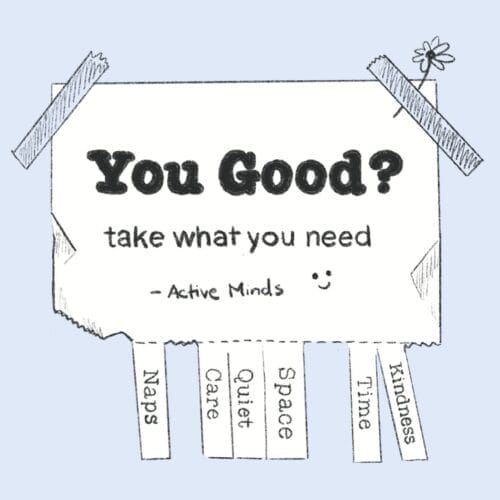
In life, we often find ourselves swaying to the rhythms of obligations, responsibilities, and the needs of others. Amidst all this, it's easy to lose sight of the most essential melody: the tune of self-care and self-love. We tend to gravitate towards our daily obligations and responsibilities and repress the self-care necessary to allow us to carry on these activities. By providing ourselves with these acts of love, we can prioritize our well-being alongside the other essential parts of our lives, not instead of them. We answer the question “Is self-care selfish?” with a resounding no, remembering that to invest in our communities and incite change, we must first fill our own cup. We remember that devoid of anything we give or anyone we are, we are worthy of love and care. If you’re unsure what a realistic self-care routine can look like, know you’re not alone. It can be hard to find achievable, practical ways to give back to ourselves, especially if prioritizing your own well-being isn’t something you are used to. Whether you’re a student looking for ways to work self-care into your busy schedule or someone who feels weighed down by the internet’s unrealistic expectations of what self-care should look like, remember this: self-care is an act of self-love. It is unique to you, serves your needs at that moment, and can change daily. It might feel unnatural initially, but by investing in yourself, you set your future interactions, goals, and needs up for success. Engaging in self-care can also be a way to show love and care to those around you indirectly. When we prioritize our well-being, we set a powerful example for others to follow. By honoring our boundaries, practicing mindfulness, and nourishing our bodies, we create a blueprint for healthy relationships built on mutual respect and understanding. When we point this self-care to others, we invite them to join us in caring for their minds and bodies and help create a healthier, more thriving community inclusive of our friends and family. Finally, for those who feel most recharged surrounded by others or engaging in acts of service, know that self-care and self-love are not limited to acts we give ourselves but are also found in the acts displayed to others. Checking in with a recently quiet friend can be a form of self-care, as can donating your time by volunteering with a cause you care deeply about. However, as much as we may love and feel recharged by giving back to our friends and family, it’s important to remember that you cannot pour from an empty cup. If this kind of self-care is not leaving you as recharged as you thought, don’t feel selfish for having to pull back. Part of self-care must be centering your needs and ensuring you are cared for. In those moments when prioritizing you feels like an uphill battle, remember that replenishing your cup isn't just a luxury but a necessity. Self-care is not selfish in the slightest — instead, it's about carving out moments of respite amidst the chaos, reclaiming your time, and honoring your needs with the same tenderness and compassion you give others. Self-love and these small acts of kindness allow us to appreciate how we provide to others, such as checking in on friends and family and ensuring that those around us are cared for. In times when it feels easy to deprioritize yourself in favor of managing everything else going on in our hectic lives, remember that showing up for yourself is just as important as showing up for others. You deserve it.

Self Care Article

Self-care is something that everyone talks about — but what does it actually mean, and how do you create a routine that is both effective and sustainable? As a student, self-care isn’t always easy to fit into my schedule, but it remains an important part of taking care of our mental health. As I’ve learned more about self-care over the years, I’m excited to share more about the art of nurturing our minds and bodies. From mindfulness techniques to fostering meaningful connections, let's unravel the layers of self-care with insights and practices to enhance our well-being and find the importance within ourselves.  Self-care is often misconstrued as mere indulgence, a luxury reserved for spa days and exotic vacations. However, it's so much more than that. At its core, self-care is about taking deliberate actions to promote our own physical, emotional, and mental health. It's a practice that allows us to replenish our energy, reduce stress, and ultimately lead a more fulfilling life. Here are some tips for ensuring that your self-care routine is both realistic and refreshing: Mindfulness: Let's begin our self-care journey with mindfulness — a cornerstone of well-being. Mindfulness is the art of being present, of fully engaging with the here and now. In a world that constantly demands our attention, this practice allows us to step back, breathe, and appreciate the current moment. Example: Start your day with a few minutes of mindful breathing. This simple practice can set a positive tone for the entire day. Close your eyes, take a deep breath in, hold for a few seconds, and then exhale slowly. Feel the tension melt away and a sense of calm wash over you. Fostering Meaningful Connections: Self-care isn't just about personal practices; it's also about our relationships with others. Nurturing meaningful connections is vital for our emotional well-being, and these relationships can be nurtured through open conversations about mental health. Example: Take the opportunity to reach out to friends and loved ones. Ask how they're doing and truly listen. Share your own experiences and encourage them to do the same. Creating a safe space for open dialogue can strengthen bonds and promote healing. Healthy Habits for the Body: Self-care extends to our physical health as well. Maintaining a healthy body is essential for overall well-being. I encourage you to incorporate small but impactful changes into our daily routines. Example: Consider taking a daily walk or practicing yoga. These activities not only improve physical health but also provide mental clarity. Additionally, prioritizing a balanced diet and staying hydrated helps to fuel your body and mind. Self-Compassion: Self-compassion is a critical element of self-care. Many of us are our harshest critics, often pushing ourselves too hard. It's okay to take a step back, to forgive ourselves for our mistakes, and to treat ourselves with kindness. Example: Practice self-compassion by acknowledging your accomplishments, no matter how small they may seem. Celebrate your victories, and when you stumble, remind yourself that it's all part of the journey. Let's remember that self-care is not a one-time occurrence but a lifelong journey. It's about making choices that support our well-being each day and finding balance and harmony in our lives. I invite you to join me in exploring mindfulness, nurturing our relationships, prioritizing physical health, and practicing self-compassion. These are the building blocks of a sustainable self-care routine, and by incorporating them into our lives, we can truly enhance our overall well-being.

Self Care Article

Throughout the past year and a half, self-care has been a topic of discussion everywhere: from social media to college campuses to major media outlets. The pandemic has forced us to slow down, and during that time, many have discovered how beneficial daily acts of self-care can be. Now that many are transitioning to returning to work or school in-person, it’s safe to say that self-care may get lost in the hectic nature of our daily lives. However, it doesn’t have to. Self-care doesn’t have to be complicated, it doesn’t have to look the same for every person, and it doesn’t have to become an afterthought. Here are a few simple reminders about the importance of self-care, and how you can make it a personal and intentional part of your routine. Self-care is personal. Self-care is individualized, and therefore it might look completely different for you than it does for me. Some people see doing homework as a means of practicing self-care, while others may feel the opposite. All this to say that self-care is personal to you, and there’s no one right way to go about it. Personally, some ways I practice self-care are journaling, working out, spending time with my pets, and, when time permits, playing through a video game. The main goal of self-care is to take care of yourself, both mentally and physically, so whatever that means for you is the “right” answer. Self-care isn’t selfish. It’s normal to feel like taking the time to practice self-care is selfish; however, we want to assure you, that’s the furthest thing from the truth. Taking care of your mental health is just as important as taking care of your physical health, and self-care is one way that we can all prioritize our mental well-being. Self-care is a way to show kindness to yourself, and that is just as important as taking the time to show kindness to a loved one. Self-care can be simple. One of the best things about self-care is that it doesn’t have to be complicated; in fact, you may already be practicing self-care in ways you don’t realize. Some examples of simple habits that are easy to incorporate into your day-to-day life (or that you may already be doing!) include getting enough sleep, exercising, journaling, or watching a favorite movie. If you feel that on a given day you might not have time to journal or meditate, consider just taking some deep breaths or reciting a few positive affirmations. Taking care of yourself can look like whatever works for you in that moment. Self-care is for everyone. For some, there may still be a feeling that self-care isn’t for you; after all, you may not struggle with a mental health issue, so how helpful can it be? The answer is simple: self-care is for everyone, not just those experiencing a mental health issue. We all have mental health, and we all need to take care of it, just as we would our physical health. We don’t brush our teeth only after we get a cavity; we do it daily, to help prevent that cavity from ever becoming a problem in the first place. Self-care should be the same: a daily routine. Self-care can (and should) be a priority. For some, self-care may be the first thing to go when faced with a busy or overwhelming day. I know for me, there have been times where I’ve been so stressed, overwhelmed, or distracted, that self-care was the last of my priorities. Whether it’s studying for an exam, working overtime, or trying to balance everything on your plate, there will be days when self-care feels impossible. However, these are the times I encourage you to really prioritize it. Whether it be a five minute walk outside, calling a friend on your way to class, or just taking a few deep breaths, taking care of yourself will allow you to better conquer what’s ahead. As a final note, it’s important to remember that while focusing on self-care can be helpful when experiencing stress or anxiety, self-care on its own is not a means of treating serious or persistent issues. It can be an incredibly helpful tool to supplement treatment from a professional, but in some cases, that professional help is what is truly needed. If you’re experiencing more than just a bad day, we encourage you to seek help. You deserve a healthy self-care routine that puts your mental health first, and gives you time each day to focus on your own well-being. If you feel stuck, there are plenty of resources with tips for implementing simple self-care routines into your own life. When self-care is prioritized, it can be an incredibly easy and powerful means of maintaining your mental health; I know it has been for me, and I hope it will be for you too.


Self Care Article
Your Voice is Your Power logo by Active Minds

A collection of mental health resources for youth and young adults who are looking to begin or grow as a mental health leader.

YVYP Resource Hub