The Trevor Project on the 988 LGBTQ+ Lifeline Closure
July 17, 2025 — Effective today, the 988 Suicide & Crisis Lifeline’s LGBTQ+ Youth Specialized Services program has been shut down. While the general 988 hotline remains open to all, callers can no longer "Press 3" to receive specialized support from an LGBTQ+-affirming provider. This move cuts a literal lifeline, removing a vital, specialized resource that has provided crisis services to an estimated 1.5 million LGBTQ+ young people since 2022. Despite this devastating federal decision, The Trevor Project's free and confidential crisis services remain fully operational and available 24/7 for any LGBTQ+ person who needs support. To understand the full impact of this shutdown, what The Trevor Project is doing, and how you can take action, explore our conversation with The Trevor Project below. 3 Questions with the Trevor Project What can youth and young adults do right now to respond to this decision? There are several ways people can take action in response to this decision. Right now, we encourage youth and young adults to sign our petition calling on Members of the U.S. Congress and the administration to protect 988 Lifeline’s LGBTQ+ youth specialized services. People can also share and support The Trevor Project’s Emergency Lifeline Campaign for LGBTQ+ Youth. Perhaps most importantly, LGBTQ+ youth and young adults should know that The Trevor Project’s highly trained crisis counselors remain available 24/7, regardless of the 988 Lifeline’s move. Our crisis lines can be reached at 1-866-488-7386, via chat at TheTrevorProject.org/Get-Help, or by texting START to 678678. What do we risk losing when a program that has served 1.5 million young people disappears? The 988 Lifeline’s LGBTQ+ youth services program has, as of May 2025, served 1.5 million LGBTQ+ youth since its launch in September 2022. The loss of this program will be devastating for LGBTQ+ youth. LGBTQ+ youth are four times more likely to attempt suicide compared to their peers. The 988 Lifeline’s specialized services for veterans and for LGBTQ+ youth were specifically created because these communities are at disproportionately higher risk of suicide. These services are based on risk levels, not identities. It’s clinical best practice to connect these groups with counselors who understand their unique needs. LGBTQ+ youth need to speak with counselors who understand their identities, the coming out process, and the unique challenges that they often report experiencing because of their sexual orientation or gender identity. By getting rid of highly trained counselors with specialized skills, the Administration is putting these young Americans’ lives at risk. How do you think this decision will be remembered in the broader context of LGBTQ+ rights and youth mental health? Suicide prevention is about people, not politics. The reality that the federal government decided to end a lifeline that has served 1.5 million American youth at a time when they need it most will go down in history as an especially dangerous and devastating attack on LGBTQ+ youth in this country. 3 Action Items from Active Minds Sign the Trevor Project’s Petition: Sign the petition and urge Congress to take action and help us protect this life-saving program by funding the subnetwork and directing SAMHSA to maintain the 988 LGBTQ+ subnetwork moving forward. Share your Story: Whether you or someone you know has struggled with mental health, sharing those experiences can inspire others to speak up and take action. Record a short video sharing your story to support Active Minds’ legislative goals. Not sure where to start with telling your story? We’ve got your back! Join hundreds of young adults, advocates, and mental health leaders at the Active Minds Conference for an experience designed to ignite the power of storytelling! Be a Social Media Champion: Share information about the 988 LGBTQ+ Youth Specialized Services shutdown, remind everyone that The Trevor Project is still a safe space 24/7, and mobilize your followers to stay informed and advocate for change.
Read More
The 988 Lifeline’s LGBTQ+ Youth Hotline Is Closing but The Trevor Project Is Still Here for You 24/7
July 14, 2025 — Starting July 17, the “press 3” option on the 988 Suicide & Crisis Lifeline, a dedicated line created to support LGBTQ+ youth, will be discontinued. After three years and more than 1.5 million calls and texts, the Trump administration has announced it is ending this specialized support. While the broader 988 Lifeline will remain available, the LGBTQ+ youth-specific hotline, launched in 2022, will no longer operate. Sure, they’re saying that “everyone who contacts the 988 Lifeline will still get access to caring counselors.” But let’s be real: generic support isn't enough. When you're struggling, you need someone who understands your experience and doesn’t make you explain or defend your identity. Without that, many LGBTQ+ youth may hang up, shut down, or never reach out in the first place. Thankfully, The Trevor Project and other LGBTQ+ crisis services and advocacy organizations are doing what they’ve always done: showing up.
I want every LGBTQ+ young person to know that you are worthy, you are loved, and you belong — despite this heartbreaking news. The Trevor Project’s crisis counselors are here for you 24/7, just as we always have been, to help you navigate anything you might be feeling right now.- Jaymes Black, CEO of The Trevor Project Despite federal policy changes and funding cuts, The Trevor Project remains independently available, regardless of how the 988 Lifeline system evolves. Whether through a phone call, a text, or a chat, trained counselors are standing by and ready to help LGBTQ+ youth feel less alone. Reaching out can feel intimidating, but taking that step can be one of the bravest things you do. What really happens when you reach out to the Trevor Project? You Can Reach Out Your Way Reaching out your hand and asking for help is the bravest step you can take. The Trevor Project offers several ways to get in touch: Text START to 678-678. You’ll be connected to a trained counselor and be able to message them privately. Call 866-488-7386 if you want to speak to a counselor directly and confidentially over the phone. Visit TrevorChat.org if you prefer to chat online and connect with a counselor via online chat. The Trevor Project is available 24/7, 365 days a year — whenever you’re ready to reach out. You'll Be Connected to a Caring, Trained LGBTQ+-Friendly Counselor You’ll be connected to a Trevor counselor who understands LGBTQ+ issues and won’t judge you. When you reach out, their focus is on creating a safe space for you to talk with a trained professional. Your messages will be anonymous and confidential, and you can share as much or as little as you’d like. Trevor Project counselors are trained to hold space for your feelings, affirm your identity with empathy, and listen without judgment. Their goal is to help you process what you're experiencing, de-escalate immediate crises, and support you in creating a safety plan that empowers you to find longer-term support. What if There’s a Wait? The Trevor Project offers essential support and services to a large community — last year, they helped nearly 500,000 people — but if you happen to experience a brief wait time, don't worry. You'll be encouraged to try a calming exercise to help you breathe and focus. You can also explore LGBTQ+ resources for helpful articles and information while you wait. A counselor will be there with you before you know it. A Note on Confidentiality: It's important to know that in very specific instances of abuse or a clear concern of an in-progress or imminent suicide, Trevor counselors may need to contact a child welfare agency or emergency service. This is always done with the utmost care and only when absolutely necessary to ensure your safety. In a world where access to specialized LGBTQ+ mental health services can feel uncertain, remember that The Trevor Project has been here for over 27 years, and they continue to be a steadfast lifeline for LGBTQ+ youth up to the age of 25. Their crisis counselors are prepared to support you, having undergone extensive training that includes role-playing, shadowing, and supervised shifts to ensure they provide the best possible support. If you're feeling overwhelmed, take a deep breath. You always have a welcoming community that cares about you, waiting to support you when and if you decide to reach out for help. Read More

My Mind & Me
June 30, 2025 — Who are you? What will you do? How should you present yourself? It seems as though these questions played on repeat since I can remember, consuming my thoughts into the darkest parts of the night, taunting me as if they knew, I would never come up with an answer that felt right. I was seven, maybe then I should’ve known my brain worked just a little bit differently. I’ve always been acutely aware of how my story separates me from others. Not many people can say they were adopted from a developing Latin American country and whose family of origin is made up of adopted children, but I can. Growing up, I yearned to be like my friends, someone who looked like their peers in complexion and stature. When that didn’t work, I figured if I could just act like them, take the pieces that made them “normal” and make them my own, then I’d fit in. Then, I’d feel at home in my body. But my mind and body were already at war, and I was just along for the ride. It’s one thing to feel trapped in your own head, it’s quite another when circumstances beyond your control remind you how vulnerable to tragedy you are. What-ifs played out in montages behind my eyelids, turning restless days into sleepless nights. Darkness held my secret until it became too big to contain and I found myself in a room with a doctor, finally giving my puzzle pieces names. The funny thing about diagnoses is that they can create more questions than answers. Back then, I was given three to explain my emotional turmoil. While hearing the words depression, anxiety, and anorexia brought a sense of relief, it reminded me once again that I was not like everyone else. In fact, they only hid the deep-seated fact that I had grown accustomed to thinking so much about death I forgot how to live my life — too much water under the proverbial bridge — and quite frankly, I wasn’t ready to admit the truth to myself. While I may have moved on from my childhood home, the baggage I carried came with me to my college dorm. Except now, I was on my own in a new place and at the time telehealth options were limited. I spent the next three years drowning my growing awareness of mental health struggles, finding myself once again needing more professional help. Yet this time would be different because I now was ready to admit a few key pieces of my story: yes I’m a survivor of childhood trauma (leading to my PTSD and Borderline Personality diagnosis), yes I’m a survivor of religious trauma, and yes, I am queer. Perhaps I knew these things all along but was too scared to face the implications of my thoughts, especially with an already fractured image of myself. I mean, how does someone rebuild after admitting such heavy truths? The scary reality is, there isn’t a road map, and after spending years running, I didn’t know where to begin. I knew the masks that I made from others no longer fit, but who was I underneath that shield, and moreover, how could I become the best version of her? My therapist explained that we all have different parts that make us who we are. Some parts we are proud of, while others we tend to ignore. The real magic happens when we accept all our parts, allow them to heal, and find ways to support them moving forward. While that seems really daunting, all the power you need is within yourself, because you are the one you’ve been waiting for. I’m not saying that I have this whole identity puzzle figured out or that I don’t still have the questions of “Who are you? What will you do? How should you present yourself?” floating around in my head. But what I do know so far is that above all else, I am the keeper of my peace and happiness. Living in the shadows by conforming to the desires and opinions of others does not reflect who I truly am. Neither do the slew of diagnostic codes in my medical history. As someone on the continuous journey of discovery, I encourage you to let your story unfold and embrace the richness of your true self. I assure you that it's worth it.
Read MoreJuneteenth: Achieving True Freedom Through Mental Health Equity
June 19, 2025 — Juneteenth marks the anniversary of June 19, 1865, when news of freedom finally reached enslaved people in Texas — freedom that came too late for too many. As we honor this day, we remember that true freedom isn't just about laws, it's about making sure everyone can get the healing, care, and support they need. When we talk about mental health, we have to talk about the whole picture. Black Americans are 20% more likely to experience serious psychological distress, yet still face barriers that make getting help harder. Juneteenth serves as a powerful reminder to acknowledge and challenge ongoing racial inequities in mental healthcare, particularly those affecting Black communities. Even after the abolition of slavery, the pervasive effects of systemic injustices continue to ripple through generations, profoundly impacting the mental well-being of Black individuals in the U.S. and worldwide. As we advocate for equity and inclusion, it is crucial to recognize that freedom from slavery did not bring an end to racial discrimination. To fully grasp this issue, we must understand the critical difference between equality, giving everyone the same resources, and equity, providing support based on individual needs and circumstances. While we celebrate Juneteenth, we must acknowledge that the effects of systemic racism, intergenerational trauma, and daily microaggressions are widespread and don’t disappear with a holiday. They impact how Black youth show up, speak out, and care for ourselves and one another. Everyone deserves care without barriers and healing that honors their whole story. At times, creating systemic change as an individual can feel overwhelming. But meaningful progress takes time, just like the long path to Juneteenth’s federal recognition, over 150 years in the making. By supporting the mental and emotional well-being of others, especially those from historically marginalized communities, we’re helping to build a more equitable future, one action at a time. With these lasting goals in mind, we’re proud to uplift our 2025 Emerging Scholar Fellowship. This fellowship supports students who identify as Black, Indigenous, and/or People of Color (BIPOC) as they lead independent, transformative research at the intersection of mental health and identity. The fellowship is more than funding; it’s a platform for systemic change. Through mentorship, visibility, and resources, Active Minds supports these rising leaders as they challenge stigma and elevate historically marginalized voices in mental health. This Juneteenth, we’re thrilled to celebrate their bold vision for a more equitable future. Let Juneteenth be more than a commemoration; let it be a commitment to mental health equity and community care. Together, we can build a future where Black students are not just surviving, but thriving.
Read More
“Existence Is Enough” Queer Community, Mental Health, and the Power of Belonging
June 6, 2025 — In a country and world that often feel hostile to LGBTQIA+ existence, simply existing as your beautiful queer self is radical. So choose joy, choose community, and choose yourself.
Read More
Brotherhood in Action: A Community Approach to Mental Health Awareness
June 2, 2025 — Through fun, welcoming events that encouraged real participation, we set out to bring our campus and local community together around a cause that matters: mental health awareness.
Read MoreMobilizing a Movement: 100,000 by 2028
May 28, 2025 — Active Minds is no stranger to setting and achieving big goals. Now, we’re setting our sights on an even bigger impact: mobilizing 100,000 youth and young adults by 2028.
Read More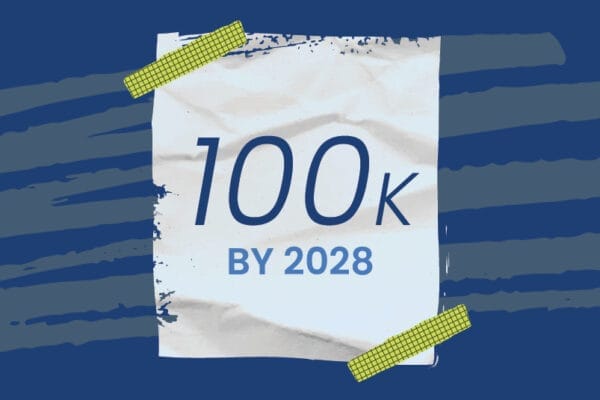
UCF’s Impressive Impact Earns May Chapter of the Month
May 24, 2025 — At one of the nation’s largest universities, UCF’s Active Minds chapter has truly made its mark, consistently bringing vital mental health resources to their campus at large.
Read More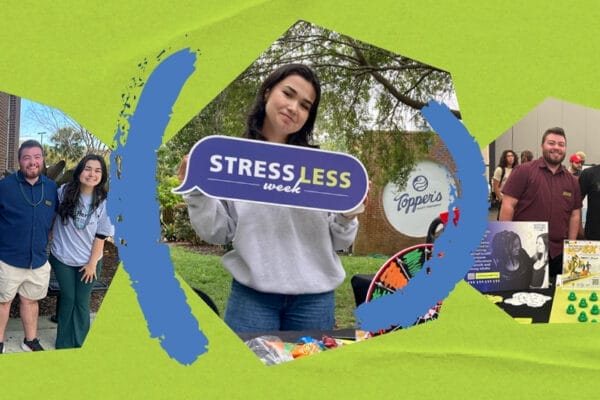
Means Reduction: Making Your Campus a Safer Place
This guide explore why means reduction is an effective suicide prevention strategy on college campuses, along with how to identify practical and achievable interventions.
Read MoreStudent Fees: Advocating for Your Money to Go Towards Mental Health
Learn how to advocate for mental health funding at your institution, including key allies, the process for changing student fees, case studies, and more.
Read More
Start Where You Are. Speak What You Know. Change What You Can.
May 22, 2025 — Mental health advocacy doesn’t require a law degree, a title, or a seat in a government office. It starts with something we all have: a voice.
Read More
Graduating Into The Unknown
May 20, 2025 — Are you feeling the weight of uncertainty? New beginnings can bring the positive, negative, and everything in between. Here's my advice for adapting when graduating into the unknown.
Read More