Best Self-Care Tips for Colder, Darker Days (Shared by Our Fall 2025 Interns)
December 2, 2025 — As the days shorten and the weather grows cooler, we're taking a moment to introduce our Fall 2025 interns! They've been hard at work, and to help us all combat the darker days, they shared their secrets for finding comfort and balance. Read our Fall 2025 interns Q&A to discover our interns’ favorite cozy rituals, the easiest things they do for self-care, and what they are most thankful for this year.
Read More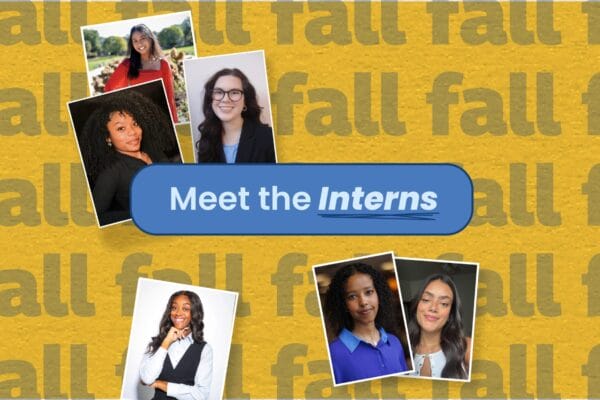
Grief Doesn’t Have to Be Simple: International Survivors of Suicide Loss Day
November 22, 2025 — There is a difference between a father and a dad. A father is your biological parent, whereas a dad is somebody who actually provides support and raises you. I never really knew my father, and until I was 14 years old, I never had a dad, either. In 2018, my mother started dating somebody who would leave a lasting impact on my life. This was the first time that I remembered ever living with a man and having a father figure, even if he wasn’t my ‘real’ dad. Even though he and my mom never married, I still consider him my stepfather because he was the closest I have ever come to having a dad. He taught me that I wasn’t unlovable, and he stepped up to be somebody that I never knew how much I needed until I lost him. In 2019, my stepfather died by suicide. My support system and community are, undoubtedly, the only things that got me through my grief. I remember being at his funeral and getting that burning feeling in my throat from holding back my tears. I didn’t think I deserved to grieve him. He wasn’t my father, and I wasn’t his kid. There were other people closer to him who were grieving him, so it felt selfish to take that away from them. Grief is complicated. It’s been six years since my stepfather passed, and this is my first time really talking about him with anyone who isn't in my family. Every day, I grieve him in my own ways. I show up for myself since he is no longer able to. Even though my community is small, it is strong. My whole family grieved my stepfather together, and there was never a moment when I didn’t have them standing by my side. My friends may not be able to understand my grief, but they still show up and support me unconditionally. While I am strong, I’m not sure how I would have been able to get through this period of my life without my community. They’ve helped me learn that it’s okay to grieve him. It’s okay to be sad or to be angry or to be confused. They helped me realize that blood isn’t the only type of family, and that although Joe wasn’t blood, he was family. It’s Strong to Ask for Help No one deserves to feel alone in their grief. If you are reading this and struggling to carry the weight of your loss, please know that your courage lies in reaching out. This International Survivors of Suicide Loss Day, let's honor our loved ones by creating a world where mental health struggles and grieving are met with open arms. You are a survivor. You are strong. You do not have to walk this path alone. Remember, it’s okay to ask for help and lean on somebody. You can find support within your family, friends, community, teachers, and even strangers. There are resources like grief counseling, support groups, and crisis help lines available to support you. If you are in need of immediate crisis support, consider reaching out to the following dedicated organizations: 988 Suicide & Crisis Lifeline: Call 988 or Text BRAVE to 741-741 Trevor Project: Call 866-488-7386 or Text START to 678-678
Read More
Holding Grief and Resilience on Transgender Day of Remembrance
November 20, 2025 — This year, 2025, has felt heavy. At times, the moments of resilience, hope, and community have been overshadowed by a campaign of anti-trans legislation and toxic rhetoric. It’s a pervasive storm of violence that has led to measurable loss — from the erosion of access to life-saving gender-affirming care, to the many lives taken too soon this year. Bearing witness to this trauma has intensified the mental health crisis within the trans community to a breaking point. Today, we observe Transgender Day of Remembrance, a time to mourn the lives lost to anti-trans violence. The truth of this year’s loss, captured in Advocates For Trans Equality’s 2025 Remembrance Report, is staggering. There have been 58 known trans people who have passed away since last November. Of that number, 27 were lost to acts of violence, and 21 were lost to suicide. These statistics represent a devastating toll that underscores the profound distress caused by systemic transphobia and isolation. We know that these numbers are tragically incomplete, as violence, especially against trans women of color, is vastly underreported. Yet, the data we do have is clear: 63% of the known violent deaths were Black trans women, a brutal reminder that race and gender identity intersect to create disproportionate risk. And 61% of all those lost to suicide were trans youth ages 15-24, a reminder of the essential need to support young people in their moments of vulnerability. Each person lost represents a future denied. This loss is not abstract; it is felt deeply and collectively throughout our community. To every transgender person carrying the weight of this loss, I want to acknowledge the monumental, revolutionary strength it takes to keep showing up. To stare down a world that demands your conformity and still make the bravest decision one could make — to choose yourself — is an act of profound courage. To our allies, thank you for showing up with us today. We are standing together in this moment, turning our grief into a powerful movement for change, dignity, and life. This crisis demands action beyond solidarity. Allies must recognize the urgency of this moment and step forward to actively protect the trans community. Thank you for supporting the trans people in your life and coming on this journey with us. Whatever feelings this day evokes, remember you do not have to carry them alone. Active Minds welcomes you to bring yourself and your grief to experience them in community. We are here for you. At Active Minds, you are more than just welcome. You are seen. You belong. You are supported. You are safe. Need Extra Support Today? On difficult days like today, resources are available from those who understand. If you are experiencing a moment of crisis, please reach out to these vital lines for peer and mental health support: Call Blackline at 1-800-604-5841 Call TransLifeline at (877) 565-8860 Call Trevor Project at 866-488-7386 or Text START to 678-678
Read More
Youth Spotlight: Meet the Teen Revolutionizing Eating Disorder Prevention
November 10, 2025 — At Active Minds, we believe in the power of young leaders to transform the mental health landscape. Our Youth Spotlight series is dedicated to celebrating exceptional young people who are founders, advocates, and changemakers, using their passion and purpose to create real impact in their communities and beyond. Advocacy and Policy Youth Spotlight: Diya Mankotia We are incredibly proud to shine a light on this month’s featured leader: Diya Mankotia, a 17-year-old senior based in Austin, Texas.
Read MoreHow Cultural Traditions Become Mental Health Care
November 7, 2025 — As a young woman of color, I’ve learned that culture isn’t just about remembering where we come from; it’s about keeping those memories alive through movement, creativity, and community. My connection to my heritage has always been strongest when I’m dancing or creating art with my hands. For me, both Mexican folklórico dancing and the Ojo de Dios, or “Eye of God,” are expressions of resilience, faith, and identity. When I first started dancing in middle school, it was the first time I truly felt something. I was never athletic or into sports, and ballet wasn’t something I could afford or felt drawn to. But when I discovered ballet folklórico, something clicked. The colorful skirts, the rhythmic steps, the music that echoed through each performance… they all carried stories that words alone could never tell. It felt like it was made for me because it came from my background. Each dance was like learning about myself, a form of finding myself within movement, color, and community. Although folklórico dancing is often associated with Mexican culture, it has deep Indigenous roots that connect traditions across the Southwest. In my home state, it’s more than performance — it’s storytelling. It’s a living archive of our community’s survival, celebration, and adaptation. And for me, it has become a form of mental health care, a way to express emotions I was never taught to name. Each dance is a history lesson in motion. The way we move our feet, the way the ribbons or scarves flow, even the designs of our clothing, they all have meaning. Through dancing, I’ve learned patience, discipline, and pride in who I am. I’ve also learned that joy is a form of resistance. For Native and Indigenous people, simply existing in our traditions — smiling, dancing, singing — is an act of defiance against centuries that tried to silence us. The Ojo de Dios holds a similar kind of power. I grew up seeing them everywhere, hanging on doors, walls, and altars in the homes of my tías, tíos, and family friends, without ever really knowing what they meant. Traditionally made by the Huichol and Tepehuán people of Mexico, the Ojo de Dios represents the four elements and the ability to see and understand what is unseen. In my community, creating one is a small act of love and intention. Each layer of yarn represents a loved one, the outer layer is often a male figure, maybe a cousin who loves tomatoes, symbolized by red for his strength and the joy he brings to your life. The next layer might be blue, for my grandmother’s eyes and her kindness, or green, for the growth we hope to nurture within ourselves and our community. As the threads cross, they form a pattern that feels sacred, a woven reflection of connection, gratitude, and balance. Making an Ojo de Dios is also an act of mindfulness. Every turn of the yarn feels like a prayer, a grounding in the present. In my culture, we don’t often talk about emotions or go to counseling. Healing isn’t spoken; it’s lived. It happens through tradition, through family, through showing up for one another even when words fail. When I create or dance, silence becomes expression. I don’t need to explain what I feel, it’s already there in the rhythm, in the colors, in the movement. That is my form of counseling. And while I believe our communities deserve access to real mental health support in the future, I also believe we need to meet people where they are. For many of us, healing happens in these spaces, through art, movement, and shared culture, because that’s where we feel seen, comfortable, and whole. To me, mental health and culture aren’t separate — they sustain each other. The Ojo de Dios teaches patience; dancing teaches courage. Both remind me that wellness comes from remembering who you are. This Native American Heritage Month, I hope others find strength in their own cultural roots — whether through art, language, music, or movement. Because when we honor where we come from, we begin to heal where we are.
Read More
Mental Health and Me: Navigating Culture, Family, and Expectations
October 14, 2025 — This Hispanic Heritage Month, I’m thinking about the state of mental health in our community. I reflect on my early years and the challenges I faced navigating expectations and culture in my Hispanic family. Growing up, I experienced personal challenges because within our culture, mental health was frequently disregarded and undertreated. This reality meant that to avoid the judgment and misunderstanding, I had to learn to deal with my mental health problems in private. And I know this is a reality that many people who come of age in Hispanic households can relate to. I felt really confined as a young girl because I didn't feel like I could tell my family about my mental health struggles. I worried that if I told them I was depressed, they wouldn't understand and would try to convince me that I wasn't ill. And when I did the brave thing and spoke up about my mental health, the fears I had were validated. When I finally opened up, my mother dismissed my feelings. She told me that people in our religion and culture don't get depressed. I was told that it was a sin to have negative feelings about myself because I was God’s creation and that it wasn’t right to criticize his work. It was devastating to hear in such a vulnerable moment. Fortunately, when I decided to tell my father about what I was feeling, he understood. Having faced similar emotional roadblocks with his own mother, he knew what I was going through. He tried his best to console me and urged me to seek help, whether it was through school counseling or therapy. My father's support became a crucial source of comfort, but it was still a long road. It took me a very long time to fully accept my mental condition and be honest with myself. I was sick of feeling alone, and I wanted to talk to someone other than my friends about how I was feeling. This difficulty I had in sharing what I was going through with my family, exacerbated by the fear of rejection, highlights a major barrier to mental health support that is tragically common across many underserved communities. I want to share my story to highlight how important it is to feel safe being open about mental health challenges, particularly within spaces where it hasn’t always been encouraged. Throughout my upbringing in a Hispanic household, I witnessed firsthand how stigma, cultural norms, or the expectation that we need to "be strong" may lead mental health to be disregarded or ignored. This collective silence is a public health crisis that demands immediate attention. You never really know what someone might be going through, and the serious mental health challenges they might be navigating in silence. And no one deserves to go through their mental health journey alone. We have to overcome these harmful biases and the antiquated norms that keep so many of us silent. By actively challenging this stigma and making discussions about mental health more commonplace, we can create a supportive and empathetic society where people can open up about their difficulties without feeling ashamed. The key takeaway from my journey is that seeking help is an act of strength, not shame. We must do what my father did: actively break the cycle and choose a path different from the one we grew up with. Everyone deserves to be met with acceptance and compassion, rather than judgment, if we are to see real progress for both the present and future generations.
Read More
Coping with Uncertainty and Immigration Fears
October 2, 2025 — At the beginning of the Fall 2025 semester, uncertainty and fear left me in a state of worry. This fear was not just for my own well-being, but also for that of my family. The thought of being taken away to my birthplace — a place I don't know, where I couldn’t identify a single street or landmark — really worried me. As a college senior, my education and future hung in the balance. Doubt for the future invaded me; I feared I wouldn't be able to finish and earn my bachelor's degree. But despite my worries, I kept my head held high. My anchor was my faith in God. I truly believed He would guide my family and me through each day. My final semester was unlike any other. News of police actions and families being taken into immigration custody made it hard to leave the dorm for classes, my internship, or even to enjoy a moment of peace. To avoid putting my family in danger, we didn’t visit each other. It wasn’t worth the risk. I tried to take care of myself during this time, but it was so hard with the fear of what was happening right outside my door. I was trying to stay aware of the immigration crackdowns to keep my family safe, but it got to the point where the terrible things I was seeing were affecting my mental well-being. That’s when I knew I had to find a different way to cope with all the stress. I want to share how I learned to take care of myself, even when everything feels overwhelming. Stop Doomscrolling I was using social media to stay updated with ongoing news, which helps keep me and my family safe. But it got to the point where it was too much negativity, and it started to affect my mental health. Something that helped my mental state was to cut back my time on social media. It took someone close to me reminding me that the things I kept seeing were keeping me from living my daily life in peace. I had to set a goal to reduce what I saw online. I understand that we use social media to stay aware of breaking news for our security and the security of our loved ones. However, caring for one’s mental state is especially important for one's well-being. Even if you can’t unplug completely, you can start by setting a daily time limit on the social media apps that cause you the most stress. Find Peace Through Journaling With everything I was experiencing, I decided to take on a new hobby to help me process and relax— junk journaling. For me, junk journaling was a creative way to use old papers and everyday things to journal about my day-to-day life. It was a routine that gave me an escape from all the scary news. Doing so kept me away from all that was going on with immigration and the deportations of families. It gave my mind some peace and a place to evolve my creativity. Taking a break from it all improved my quality of life. It was great to put my energy into something new, productive, and fun. Try picking up a new hobby to find your peace today — like drawing, crafting, or meditation. Give it a try for 15 minutes. Find Gratitude for the Present Life lately has reminded me that there are things out of my control that I cannot change. I’ve learned to be okay with letting go and focusing on the present. You have to look at the good things: the people in your life, like family, friends, and mentors. The little things truly matter. Even with the police nearby, I still managed to get to my internship. I gave myself space to feel my emotions and trust that everything would be okay, with God's will. With the support of my community and family, it wasn't easy, but I made it through. Your circumstances might be outside of your control, but how you navigate them is up to you. Right now, take a deep breath and remind yourself of three good things you have in your life that you can be grateful for. My mentor once told me everybody has their own story. I know my story because I’ve lived it. I use my voice, and ultimately, that is my greatest power. And despite all the uncertainty and risk, nobody can take that away from me. So remember, you all have a voice, so use it wisely. And do not let anybody try to take that away from you, because they can’t. If you’re seeing the impact of the current climate and want to take action, I want you to know that there are ways to support the immigrant community. If you want to support, consider organizations working in your local community. There are many ways to help — donate and share information with your classmates, and find ways to show up for those in your life who are affected. It can even be as simple as checking in on your friends and neighbors and asking how you can support them.
Read More
Turning Pain Into Purpose: Why I Stay with Active Minds
September 26, 2025 — Content Warning: This piece contains mentions of suicide. Mental health advocacy isn’t just something I do — it’s who I am. My journey began long before I found Active Minds, back when I was seven years old and lost my babysitter to suicide. That moment made me a suicide survivor before I could even understand the weight of what had happened. As I grew older, I not only understood the gravity of suicidal ideation, but also experienced it myself. Growing up queer and neurodivergent in a conservative household shaped by Mexican and Middle Eastern traditions, I faced mental illness in an environment where silence and stigma often replaced the support I needed. Being the eldest sibling also came with its own responsibilities. I wanted better for my younger sisters: more understanding, more resources, and more compassion than I had. Keeping them at the forefront of my priorities, I began advocating for mental health support at home. That commitment to making a safer environment for my family planted the seed for a wider mission to cultivate inclusive spaces of care wherever I went. That seed found ground when I joined UCLA’s Active Minds chapter. For the first time, I had the infrastructure to take what had always been personal and make it collective. Active Minds gave me more than a platform — it gave me a community. My story no longer felt like a burden. Instead, it became a bridge, connecting me to others who needed to hear, “You matter here.” As Advocacy Director in my chapter and a pioneer in other mental health spaces on campus, I launched projects that spoke to students who are often overlooked. I organized a Neurodivergent Resource Hub and Awareness Week, hosted queer movie nights, created campus-wide surveys on access to mental health resources, and co-led annual conferences that explored how mental health intersects with culture, art, and basic needs. I also worked alongside Residential Life, external partners, and other student organizations to shift how our campus viewed mental health, especially for minority students. Each project reminded me that stories like mine — shaped by resilience, difference, and survival — are not only valid but essential to creating change. When I stepped into the role of Executive Director, my purpose in Active Minds deepened. Suddenly, I was overseeing all of our chapter’s committees: education, workshops, advocacy, outreach, marketing, radio, membership, finance, corporate relations, logistics, and interns. It was overwhelming at times, but it also showed me just how much impact we could have when we worked together. At the heart of it all was the same mission: cultivating safe, inclusive spaces where every student feels seen and supported. Our chapter intentionally opens its doors to everyone, whether they are queer, students of color, neurodivergent, or anyone who has ever felt like they were carrying their story alone. So why am I staying involved? Because I know the difference it makes. Active Minds gave me the structure to turn my lived experience into meaningful action, and I want others to have that same opportunity. I’ve seen the relief in students’ eyes when they realize they are not alone. I’ve seen them share their stories for the first time, find support, and begin to believe that change is possible. Those moments remind me why this work matters. Advocacy isn’t always easy. It means challenging the perpetuating stigma that lingers in families, communities, and institutions. It means demanding policies and practices that prioritize mental health. But every step forward — every event, every conversation, every new initiative — is proof that we can build something better than the silence many of us grew up with. I stay with Active Minds because my journey has never been just my own. It belongs to the communities I serve: my siblings, my peers, queer students, students of color, first-generation students, and neurodivergent students who deserve to thrive in spaces where mental health is valued, not hidden. Continuing this work means carrying forward the lessons of my past while helping to create a safer present for others. My story may have started in silence and grief, but through Active Minds, it has become one of connection, advocacy, and hope. And that’s why I’ll keep going.
Read More
From Personal Tragedy to Advocacy: A Student-Athlete’s Fight for Mental Health
September 24, 2025 — Content Warning: This piece contains mentions of suicide. As a former Division 1 beach volleyball player, I lived the intense pressure of student-athlete life. But the most defining moments came off the court — losing both my dad and my therapist to suicide. Those personal tragedies became the catalyst for my mission: to break the stigma around mental health and advocate for real change. I founded a group called Breaking Barriers in college, creating space for athletes to talk openly about injury, anxiety, grief, and suicide; topics too often ignored in sports. Now, as a Marriage and Family Therapy graduate student at Pepperdine and a professional in the mental health space, I’m committed to transforming pain into purpose and advocating for systems that genuinely support mental health. We don’t talk enough about how messy mental illness can be. Growing up, I learned the mental health narratives we're exposed to are missing the messiest parts. We only seem to want to talk about mental health when it's easy or inspirational. Online, terms like “trauma” and “boundaries” are thrown around without context. But real healing requires more than that; it demands uncomfortable, honest conversations. I first heard the word “suicide” at six when my dad, who was bipolar, died. For the longest time, it was never talked about. Years later, I learned my therapist had died by suicide while sitting in a high school class. I stayed silent, finishing the lecture like it was any other day. In both my Moroccan and Filipino communities, as well as within sports culture, silence was a sign of strength. I had to unlearn that and find a way to tell my story. Someone dies by suicide every 40 seconds. It’s the second leading cause of death for people under 34. Yet we often only address mental health when it's light, trendy, or palatable. In reality, respecting mental health means creating space to speak, to grieve, and to heal; even when it's hard and uncomfortable. In college, I saw how inaccessible mental health care was for athletes. Free campus resources were overbooked or didn’t fit our schedules. Many feared backlash from coaches for seeking help. I ran an anonymous survey to push for a sports psychologist: 70% of athletes felt neglected, and 83% didn’t trust coaches or staff with their mental health. The data was ignored — until it wasn’t. Months later, a psychologist was hired. Advocacy works. But institutional systems change slowly, and students encounter roadblocks. I started an organization on my campus, Breaking Barriers, where I facilitated weekly discussions on mental health topics relevant to our experiences as student athletes. This showed me the power of community in creating change by being vulnerable about our experiences. Mental health support must be unconditional; it’s about showing up for each other and creating spaces where everyone feels seen, heard, and supported. We need more unconditional empathy, not to drain ourselves, but to create a safe space for those who need it, even if they’re the ones who always seem to be smiling. Leaning on others is crucial, and if someone doesn’t support you, they’re not your people. In college, I made it my mission to be the friend and teammate I didn’t always have. I was determined to advocate, listen, and be a reliable person to turn to. Real friends have uncomfortable conversations, check in, and truly listen. Today, as a graduate student and professional in the mental health space, I lean into this value of community care in ALL areas of my life. Mental health resources must prioritize the whole person. Our brains, emotional health, and identities must be protected. Sports will end one day. School will end one day. But we will always live inside our own minds. That space should be treated as the priority it is. I’m not a product of my pain, but of my persistence. My story doesn’t define me — how I rebuild does. Advocacy starts locally, by calling out what’s broken and building what’s missing. Together, we can create systems where no one has to suffer in silence. Let’s stop talking about mental health and start building a world that actually supports it.
Read More
998 Day Is a Reminder That Mental Health Support Must Be a Priority on Campus
September 8, 2025 — On September 8th, known nationally as 988 Day, students and communities across the country are invited to reflect on the importance of mental health and the role of crisis support services in saving lives. The 988 Suicide & Crisis Lifeline is a transformative step forward: a simple, three-digit number that provides immediate, 24/7 access to trained counselors for anyone in emotional distress or mental health crisis. It is free, confidential, and accessible to everyone, especially youth and students who are increasingly vulnerable to mental health challenges. The pressures facing students today are more intense than ever. Academic demands, social isolation, and a rapidly changing world have contributed to a growing mental health crisis among young people. According to national data, rates of depression, anxiety, and suicidal ideation among students continue to rise. The availability of 988 is an essential tool, but awareness is just the beginning. We must also demand broader cultural and systemic shifts in how mental health is discussed, addressed, and supported, especially in educational settings. Behind 988 lies a powerful movement to reimagine our country’s mental health care system. But for it to work, we need more than a number; we need policy change. Federal and state funding must be increased to support the infrastructure behind 988, including hiring and training culturally competent responders, improving coordination with local health services, and ensuring equitable access in all communities. Without these investments, 988 risks becoming a symbolic gesture rather than a functional safety net. Students play a critical role in this conversation by using their voices to advocate for mental health policies at both the campus and legislative levels. One impactful way for students to get involved in mental health advocacy is through Active Minds, the largest nonprofit in the United States mobilizing youth and young adults to transform mental health norms across society. Here’s what you can do today: Save 988 in your contacts. You never know when you or a friend might need it. Follow Active Minds on Instagram or TikTok for relatable content, mental health tips, and how to get involved. Start or join a chapter at your school to make real change. These chapters provide safe spaces for dialogue, offer resources for those in need, and offer opportunities to take action on the issues that affect us most. Visit our website to locate one on your campus or learn how to start one yourself. Speak up for policy. Join campaigns that advocate for mental health funding and systems that actually care. Share the message. Post about 988 Day and let your community know there’s always help available. 988 Day is a call to action. It’s a reminder that every student deserves access to mental health support, that reaching out for help is a sign of strength, and that meaningful change begins with awareness, advocacy, and community. This September 8th, let’s commit to building communities where no one struggles alone and where help is always just a phone call away.
Read More
How to Start an Active Minds Chapter
August 22, 2025 — In hundreds of colleges and high schools across the country, passionate mental health advocates join together to form Active Minds Chapters. Each chapter is a community, a supportive environment focused on transforming mental health norms on their campus and beyond. Started and led by students like you, Active Minds Chapters are a space to connect with your peers, a national movement, and Active Minds at large. For many, these chapters are a dedicated space to explore mental health advocacy that they’ve been craving. Joining an Active Minds Chapter allows them to get involved in a nationwide movement simply by attending a meeting, or two, or even more. But what if your school doesn't have a chapter? Well, that’s where YOU come in. If you and your community work together, your school can be the next to join the Active Minds Chapter Network. Starting a new Active Minds Chapter is an easy process and a great opportunity for you to make a huge impact. You'll cultivate a sense of belonging while becoming a mental health changemaker in your community. Not sure where to begin? It might sound like a big undertaking, but starting a chapter is simpler than you think. And we're here to help! Check out our tips for starting an Active Minds Chapter. Connect with your peers It doesn't matter if you're already talking about mental health with your friends or not. Simply connecting with friends and classmates is your first move. Tap into your community to see if you can get your social circle to transform their interest in mental health and wellness into mobilizing with Active Minds. Chat with peers who might already have an interest in prioritizing mental health; maybe they’re taking AP psych or involved in a mental health or community advocacy club. Even if you're a graduating senior, you can help lay the groundwork for the next generation of students. Help them find an advisor, recruit other students, and figure out how to register as an official organization. You'll be leaving your school better than you found it. Explore what you need with your school Every college campus is different. Doing a little homework about what your next step should be will allow you to make the most of your efforts. To officially start a club, you'll have to follow your school's rules. The best first move is finding out who is in charge of student-led organizations at your school. Ask them what you might need to get the club going, such as how many members you need or who you should look for in an advisor. They can also tell you if there are other mental health groups on campus. That way, you can figure out if you want to team up with them or how your club can be unique. Check in with the Active Minds team You've already done the groundwork of getting your peers on board and figuring out what your school needs. Now it’s time to meet Active Minds' requirements and explore how our team can support your work of mobilizing your community. To start your chapter, Active Minds requires at least three students and one advisor. To help ensure the chapter's sustainability, at least one of the three student leaders cannot be a graduating senior. Your advisor can be any full-time staff member at your school, such as a teacher, professor, or counselor. Our team recommends finding an advisor with a mental health background, but that is not required. Once you have your team, you'll complete the Active Minds Chapter Registration Form. After you're officially registered, you'll get access to our national programs and materials, which you can adapt to fit your school’s specific needs. You might want to organize a tabling event to hand out resources, invite a speaker to campus, or host a community engagement event. There are three main ways our chapters change the conversation about mental health at their schools: Implement mental health programming Participate in partnerships Advocacy and mobilization opportunities What if you need more support? The Chapters Team is here for you! We work full-time to support chapters (and future chapters) like yours in their mental health advocacy efforts. We can help with anything, from recruiting new members and brainstorming program ideas to ensuring a smooth leadership transition. Please don't ever hesitate to reach out for guidance, advice, or ideas. Explore our chapter FAQ page or reach us at chapters@activeminds.org.
Read More
Healing with Send Silence Packing
August 13, 2025 — The Fall 2025 tour for Send Silence Packing is kicking off, bringing a vital message of mental health and suicide awareness to communities across the country. Following a successful Spring 2025 tour that reached 18 schools, the SSP team is hitting the road again to bring conversation and resources around suicide prevention to communities everywhere. What is Send Silence Packing? It's an immersive and powerful display featuring one hundred backpacks, each representing a life lost to suicide. The exhibit is a direct link to mental health professionals and support systems, creating an approachable space for discussing suicide and mental health. From hundreds of stories of hope and loss, to a hope wall where visitors can write positive messages of support and encouragement for everyone to see, Send Silence Packing allows for conversations around suicide prevention and mental health to take center stage. When Send Silence Packing visits a school or community, it’s done hand-in-hand with local community organizations and mental health professionals to inform visitors of crucial local resources for mental health. Any Send Silence Packing event always features national resources and has mental health professionals on-site to provide immediate support and ensure that anyone who is emotionally triggered by the content is properly cared for. It’s More Than an Exhibit, It’s a Lifeline Send Silence Packing is a catalyst for change; the exhibit creates an approachable space for discussing mental health. While the role mental health and suicide may play in someone’s life may vary, mental health challenges are a reality everyone faces at one point in their lives. That reality is clear when people come up and share their experiences with mental health. Visitors often disclose their own struggles, find similarities in the stories on display, or even share positive stories of overcoming their challenges. I often think of a specific moment during an exhibit at a school in Florida. A student came up to the resource table and casually remarked, "I'm having suicidal thoughts and I plan on ending my life later today." While it’s not uncommon for visitors to make remarks that they’re struggling with their mental health, there is no way to ever be fully prepared to hear a statement like that. Here's where the presence of Send Silence Packing made all the difference. The infrastructure we had in place, including an on-site mental health professional, allowed us to immediately connect that student with the resources they needed. This intervention was only possible because SSP was there that day. It makes you wonder: What would have happened if we hadn't been on campus? Would that student still be alive today? In a rural Kansas county of just over 4,000 residents, the pain of six suicide deaths in the previous year, three of which were youth, was palpable. Our SSP exhibit, set up at the county fairgrounds, drew around 600 community members — a massive chunk of the local population. We found that nearly every person who came had been personally affected, sharing stories of someone they lost to suicide or how they almost lost themselves to it. When the county’s high schoolers started coming in by the busloads, there was a massive shift in the dynamics. We witnessed a powerful outpouring of emotion as teenagers burst into tears, finding comfort and solace in their friends. Many felt they couldn't reach out to adults for help, fearing the stigma associated with mental health struggles. That day a wound was reopened, but SSP brought along the resources and dialogue necessary for the community to start healing. Bring the Movement to Your Community Hosting the Send Silence Packing exhibit is a powerful step toward creating an open dialogue about mental health. While it serves as a proper introduction to addressing stigma, we believe it should be the start, not the end, of your community's commitment to awareness. To learn more about bringing Send Silence Packing to your school or community, please review our Interest Guide or contact us directly at sendsilencepacking@activeminds.org. Take the first step. Bring Send Silence Packing to your community and begin a lasting movement for change.
Read More