


Find the resources you need to take action!
A resource hub for young leaders passionate about creating change and supporting mental health in their communities.
A resource hub for young leaders passionate about creating change and supporting mental health in their communities.
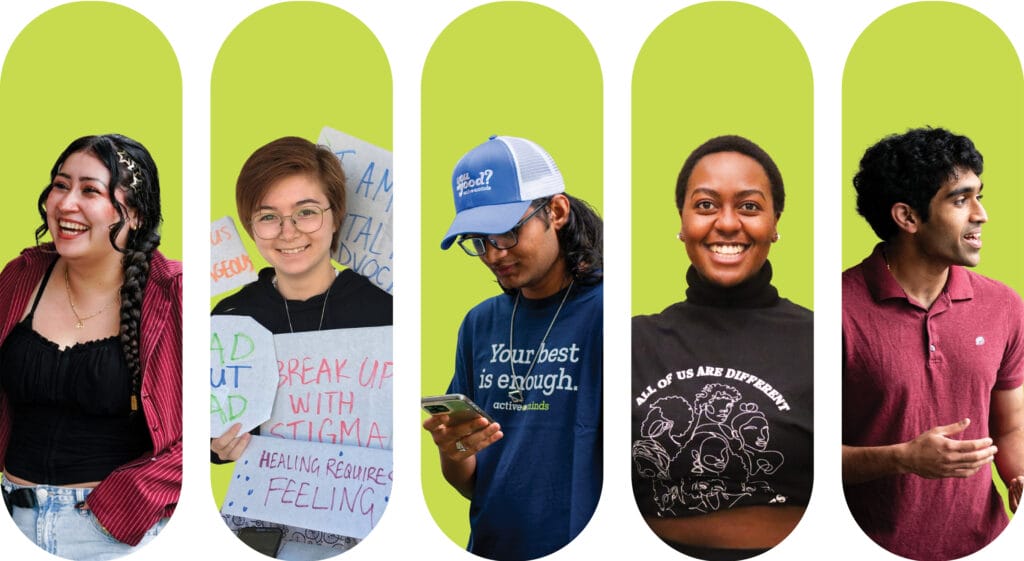
The Your Voice is Your Power Resource Hub is packed with real resources — like info about self-care that don’t feel cringe, videos from other young people sharing their actual stories, and tools to help you advocate for mental health in your school or community.
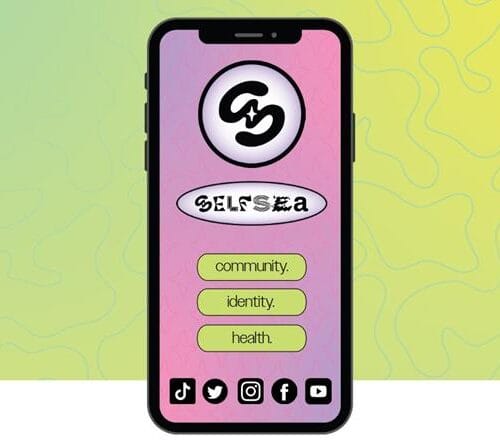
A web app co-designed with young people to provide youth with safe, inclusive, evidence-based, and identity-affirming health resources and information.

Learn how mental health, self-care, and community support can empower personal growth.

Discover insights on BIPOC mental health, self-care, and community resilience from student advocates and leaders.

Discover strategies for achieving work-life harmony and supporting young adult mental health in the evolving workforce.

Discover best practices for practicing digital wellbeing and taking care of your mental health in this digitized world.
Let’s talk about mental health on college campuses – when’s the last time you got outside for your mental health?
Learn Instagram tools that help you unplug. Set digital boundaries, become mindful of media consumption and create healthier habits.
During this roundtable discussion, students share their own mental health journeys and experiences as BIPOC individuals.

Practical tips for create a healthier relationship with technology that supports overall happiness and success while staying connected.

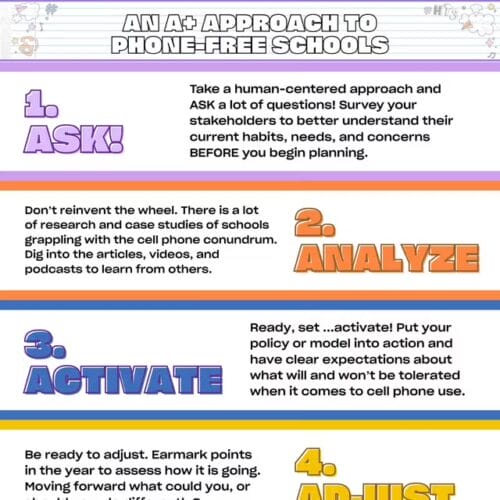
Resources for youth champions who are deciding whether or not their school community should go phone-free or implement cell phone limitations.
Your vote in the next school board election can truly make a difference!

Finals week can feel like a nonstop race — back-to-back exams, endless notes, and mounting pressure. But your mental health matters, especially now.
This resource will help you break big projects into smaller, manageable parts, use tools like timers or checklists for accountability, and celebrate progress along the way.

Feeling overwhelmed is normal—but manageable. Time management isn’t about being perfect; it’s about balance, small steps, and giving yourself room to breathe.

Being an LGBTQ+ student can come with unique challenges, especially in environments where straight and cisgender identities are treated as the default. But you’re not alone.

Prioritizing quality rest isn’t just about feeling less tired; it's a game changer for academic performance, mental health, and long-term success.

Too often, school feels like a place where BIPOC students have to work harder just to belong. And in telling your story, you remind others that they can too.
A Postvention Guide for Student-Led Responses
This guide explore why means reduction is an effective suicide prevention strategy on college campuses, along with how to identify practical and achievable interventions.
Support mental health and academic success through college leave of absence policies. Learn how to evaluate, improve, and create “leave of” and “return from” absence policies using allies and stories from students who have been affected.
Your student ID card is more than just plastic—it’s a key to campus life, unlocking doors, meals, and library books. But what if it could do even more?
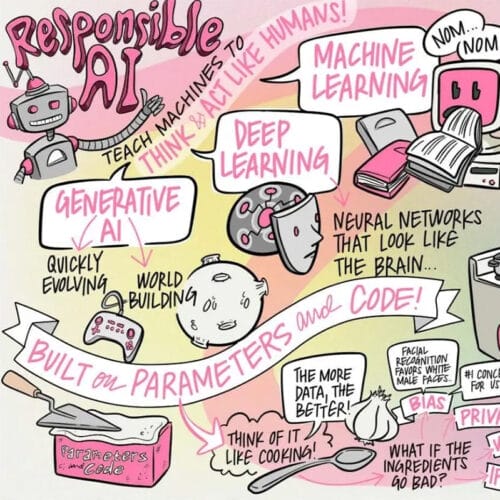
Discusses a youth-led forum called "CTRL + Future" that brought together young people from 12 countries to discuss responsible AI development.
Writing about personal mental health experiences can create lasting impact, and requires careful consideration of your digital footprint, boundaries, and long-term wellbeing.
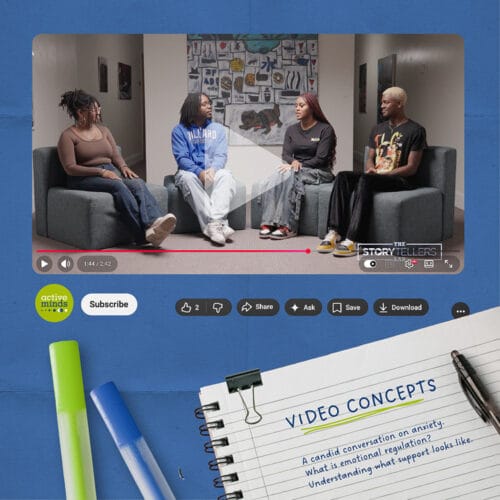
Video content can powerfully humanize mental health struggles, but it also exposes you to intense scrutiny and permanent documentation of vulnerable moments. This guide helps you create impactful videos while protecting your digital wellbeing.

Social media campaigns can amplify your mental health advocacy, but they can also drain your energy and expose you to negativity. This guide helps you create impactful campaigns while protecting your digital wellbeing.
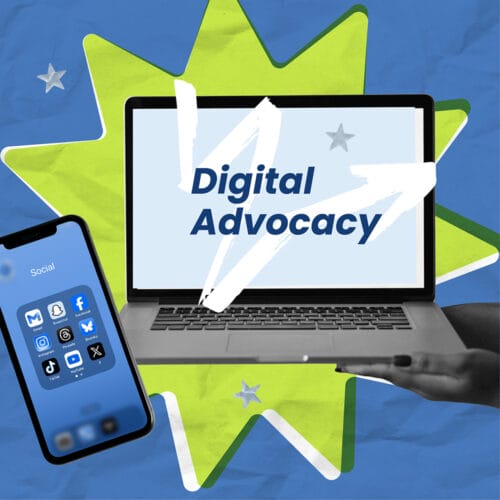
Share your mental health story strategically and safely online, and with the right approach, your story can build better mental health systems for everyone.
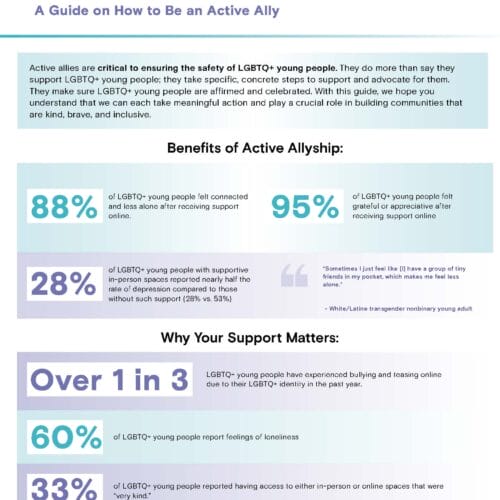
This guide is informed by LGBTQ+ young people and adult experts, and provides the everyday and long-term commitments we can each make to build kind, brave, and inclusive communities.
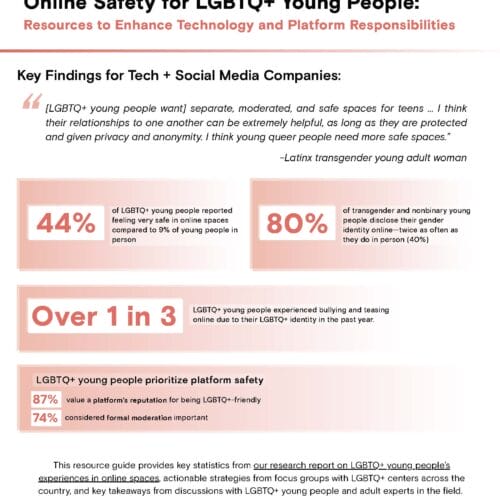
This guide provides key statistics from our research on LGBTQ+ young people’s experiences in online spaces, actionable strategies from focus groups, and key takeaways.
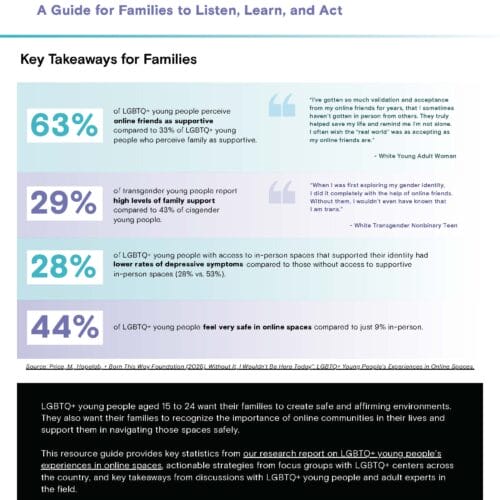
This guide offers practical, affirming steps that families can take to build safer, more supportive environments for LGBTQ+ young people.
Youth voices and leadership can drive mental health awareness and empower stronger communities.
Explore how generational differences and historical events have shaped attitudes toward mental health among Black men.
Explores how isolation affects Black men’s mental health and highlights ways to build support systems and overcome help-seeking barriers.
Explores how Red Pill and Manosphere online content influences masculinity, gender roles, and identity among BIPOC college men.
Sometimes it’s hard to know where to start—these are some ways you can begin taking action today.
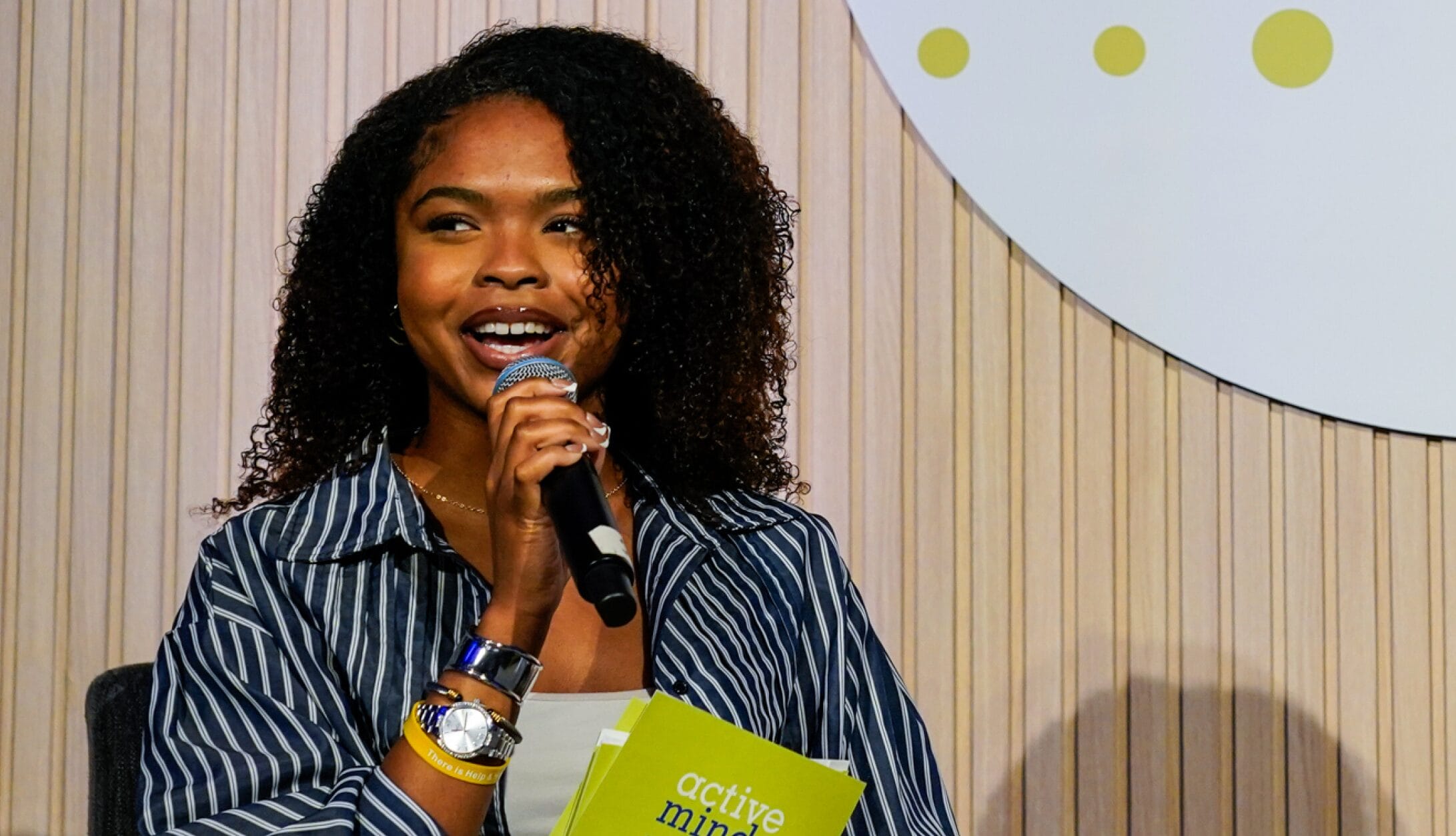
Mental health stories from advocates like you.
View All
Alex shares how an unexpected moment at a museum led to a conversation with her father about her identity and sexual orientation.

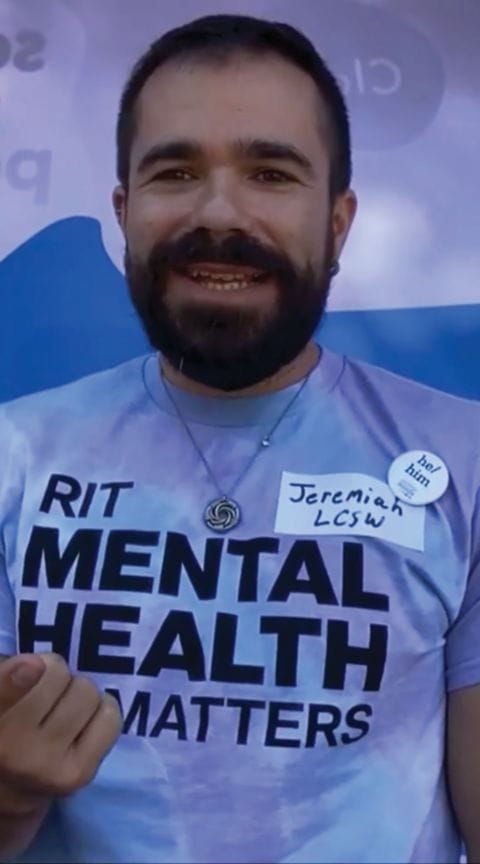
If you could give a PSA on mental health to your community, what would you say?

This #WorldMentalHealthDay, @active_minds and @storytellers_lab are teaming up to encourage you to take a few minutes to try the A.S.K. interactive digital experience today by visiting AskToHelp.com. #AskToHelp
Join our Student Slack Network to chat with other young mental health advocates, share experiences, ask questions, and build friendships with peers who understand your journey.
It’s a safe space for organic conversations, peer support, and networking with students across the country who are passionate about mental health advocacy.