


Find the resources you need to take action!
A resource hub for young leaders passionate about creating change and supporting mental health in their communities.
A resource hub for young leaders passionate about creating change and supporting mental health in their communities.
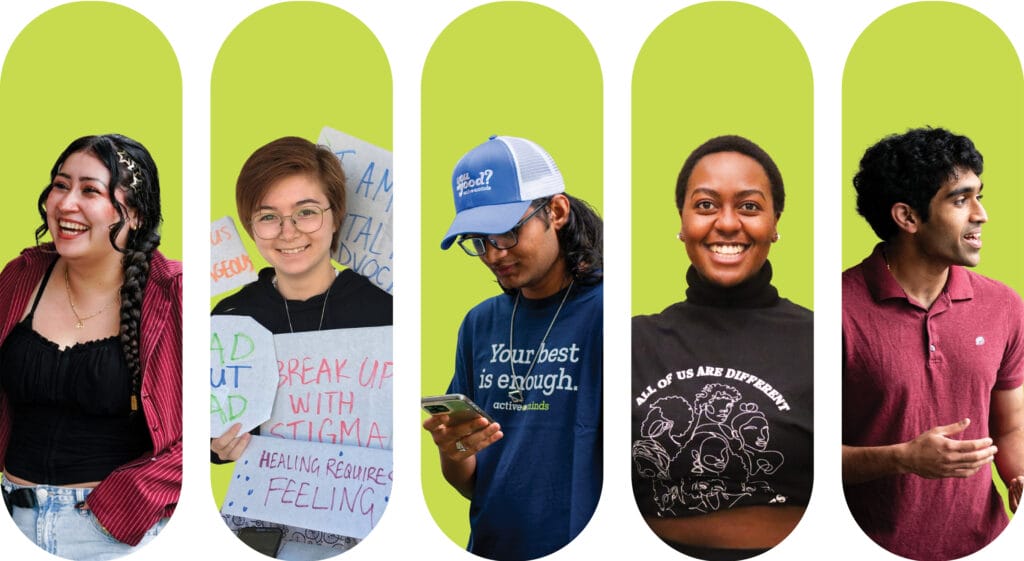
The Your Voice is Your Power Resource Hub is packed with real resources — like info about self-care that don’t feel cringe, videos from other young people sharing their actual stories, and tools to help you advocate for mental health in your school or community.
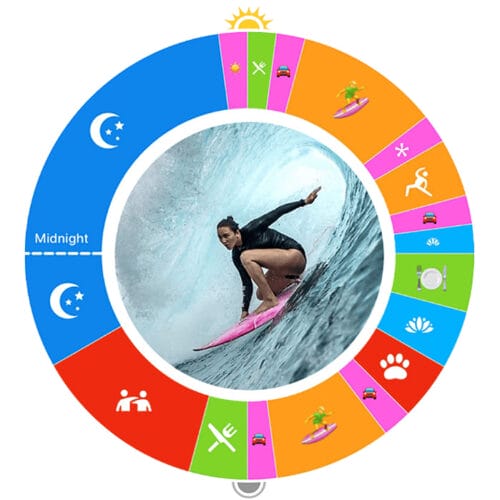
A podcast episode about how visual time planning and chronotype awareness can help youth with ADHD manage time and wellbeing.
Healing doesn’t always happen in big moments. Sometimes it happens in quiet places where we gather what we have and do the best we can.
A web app co-designed with young people to provide youth with safe, inclusive, evidence-based, and identity-affirming health resources and information.

Discover insights on BIPOC mental health, self-care, and community resilience from student advocates and leaders.

Learn how mental health, self-care, and community support can empower personal growth.

Discover strategies for achieving work-life harmony and supporting young adult mental health in the evolving workforce.

Let’s talk about mental health on college campuses – when’s the last time you got outside for your mental health?
Learn Instagram tools that help you unplug. Set digital boundaries, become mindful of media consumption and create healthier habits.
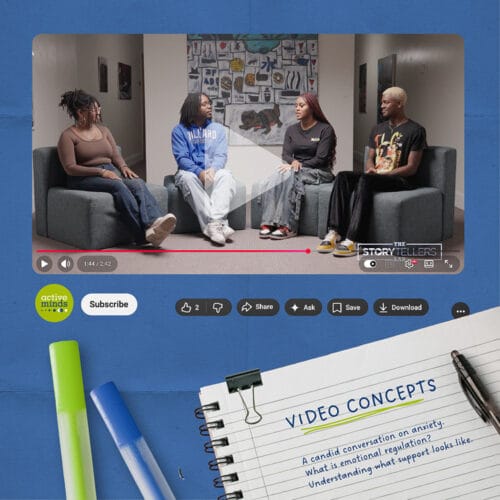
During this roundtable discussion, students share their own mental health journeys and experiences as BIPOC individuals.
Practical tips for create a healthier relationship with technology that supports overall happiness and success while staying connected.
Discover best practices for practicing digital wellbeing and taking care of your mental health in this digitized world.
Your 20s are basically a bridge between every version of yourself you’ve outgrown and the person you’re still building. There’s this unique nostalgia for the present that comes along with the realization that you’re currently living through the years you’ll tell stories about forever. It’s a decade of leaning into every experience: saying yes to the move, the coffee date with your future best friend, and the messy process of growing up. Sometimes, that means hitting mental health barriers that feel like a dead end, whether it’s the cost of care or the stigma that makes you feel like you’re alone in your struggles. But it often ends up being the time you discover you're a lot more resilient than you gave yourself credit for. In your 20s, you start to see that making a difference begins right where you are, with showing up for your own mental health and the people in your circle. In your 20s, you may feel the pull to show up for mental health. It’s important that you do. Here is how you can meet the moment: In your 20s, you’ll learn that checking in is the ultimate way to show up. When a friend's vibe shifts, it’s easy to assume they’re just busy or tired. But being a champion for change means looking closer. Look past the “I’m okay”: Watch for the subtle stuff — a friend who stops replying to the group chat, someone who is suddenly way more irritable than usual, or a peer who seems to be checked out of the things they used to love. Navigate the conversation with A.S.K.: You can’t always fully understand or change what someone else is going through, but you can Acknowledge their feelings, Support by listening, and Keep-in-Touch regularly to let them know how much you care. Visit asktohelp.com to dive in and start putting A.S.K. into action! In your 20s, you’ll realize your phone is a tool, not a trap. We live on social media, but we don’t owe the internet our constant attention. The "in your 20s" trend is fun, but doomscrolling isn't. Don’t let the algorithm win: Use screen time limits to keep your doomscrolling in check and use your time offline to redirect your focus — try journaling, a quick walk, some gentle stretches, or letting yourself get lost in the music for a few minutes to get your energy flowing again. In your 20s, you’ll find that rest is a transformative act. Poor sleep makes stress feel like a mountain and anxiety feel like a flood. Protecting your rest helps prevent burnout and keeps your energy high enough to lead the change you want to see. Give your brain a break to unplug: Your sleep is important. Try to put your phone down 30 minutes before bed. That late-night blue light actually blocks the hormones your body needs to feel tired, so giving yourself a break from the screen is the easiest way to ensure you're getting the deep rest you need to wake up ready to meet the moment. Keep some tools in your back pocket: Self-care doesn't have to be a huge undertaking. It can be taking a moment to circle breathe or use the 5-4-3-2-1 grounding technique (name 5 things you see, 4 you can touch, 3 you hear, 2 you smell, and 1 you taste) to pull yourself back into the present when things feel overwhelming. In your 20s, you’ll learn that you don't have to be an expert to be a lifeline. Championing mental health doesn't mean you need to have all the answers; it means knowing when a situation is too heavy to carry alone and being brave enough to call for backup. You can't solve everything on your own, and you don't have to: If a struggle starts to feel like a crisis, don’t hesitate to reach out for help. Resources like 988, The Trevor Project, or local helplines can save a life. For more information on where to get help, visit our Crisis Resource Center for additional ways to connect with life-saving support.
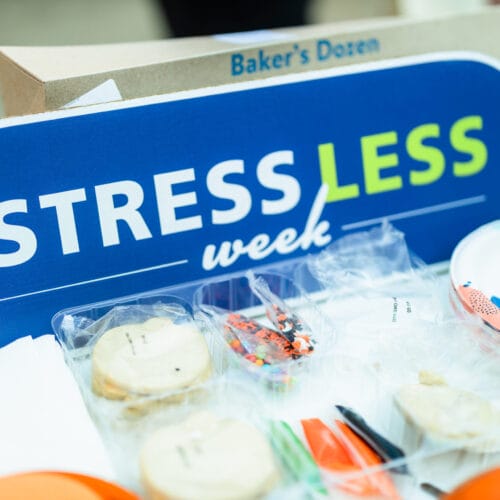
Inside this free toolkit you’ll find education, tips, and resources designed to help you better understand and mitigate your stress while helping to shape a positive mental health culture among your community.
Your student ID card is more than just plastic—it’s a key to campus life, unlocking doors, meals, and library books. But what if it could do even more?
Feeling overwhelmed is normal—but manageable. Time management isn’t about being perfect; it’s about balance, small steps, and giving yourself room to breathe.
Too often, school feels like a place where BIPOC students have to work harder just to belong. And in telling your story, you remind others that they can too.
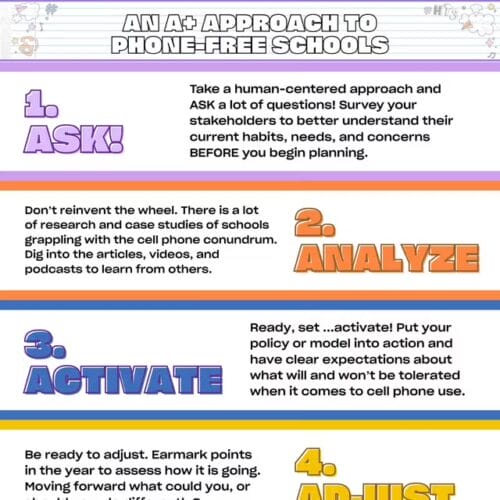
Resources for youth champions who are deciding whether or not their school community should go phone-free or implement cell phone limitations.
This resource will help you break big projects into smaller, manageable parts, use tools like timers or checklists for accountability, and celebrate progress along the way.
Your vote in the next school board election can truly make a difference!
This guide is here to help you stay focused, grounded, and a little less stressed with simple, science-backed strategies that actually work.
Being an LGBTQ+ student can come with unique challenges, especially in environments where straight and cisgender identities are treated as the default. But you’re not alone.
Prioritizing quality rest isn’t just about feeling less tired; it's a game changer for academic performance, mental health, and long-term success.
A Postvention Guide for Student-Led Responses
This guide explore why means reduction is an effective suicide prevention strategy on college campuses, along with how to identify practical and achievable interventions.
Inside this free toolkit you’ll find education, tips, and resources designed to help you better understand and mitigate your stress while helping to shape a positive mental health culture among your community.
Video content can powerfully humanize mental health struggles, but it also exposes you to intense scrutiny and permanent documentation of vulnerable moments. This guide helps you create impactful videos while protecting your digital wellbeing.
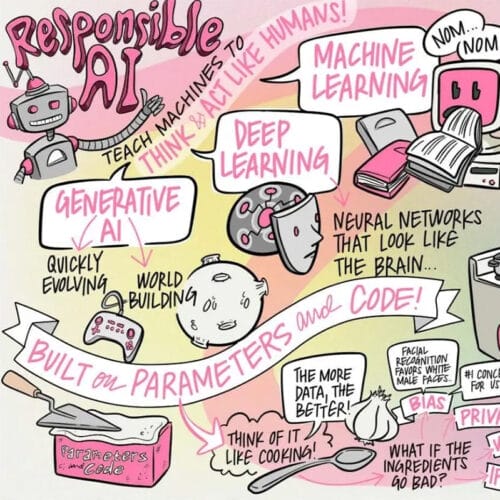
Discusses a youth-led forum called "CTRL + Future" that brought together young people from 12 countries to discuss responsible AI development.
Writing about personal mental health experiences can create lasting impact, and requires careful consideration of your digital footprint, boundaries, and long-term wellbeing.
Reach out to your representatives, share your mental health story, and stay informed on mental health-related legislation.
Explore how generational differences and historical events have shaped attitudes toward mental health among Black men.
Social media campaigns can amplify your mental health advocacy, but they can also drain your energy and expose you to negativity. This guide helps you create impactful campaigns while protecting your digital wellbeing.
Youth voices and leadership can drive mental health awareness and empower stronger communities.
Share your mental health story strategically and safely online, and with the right approach, your story can build better mental health systems for everyone.
Explores how isolation affects Black men’s mental health and highlights ways to build support systems and overcome help-seeking barriers.
Explores how Red Pill and Manosphere online content influences masculinity, gender roles, and identity among BIPOC college men.
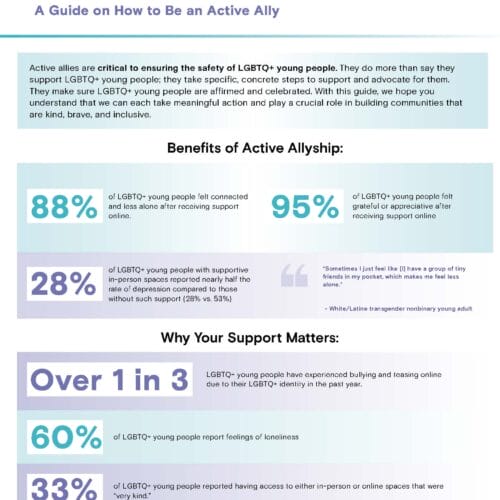
This guide is informed by LGBTQ+ young people and adult experts, and provides the everyday and long-term commitments we can each make to build kind, brave, and inclusive communities.
Mental health stories from advocates like you.
Alex shares how an unexpected moment at a museum led to a conversation with her father about her identity and sexual orientation.
If you could give a PSA on mental health to your community, what would you say?
This #WorldMentalHealthDay, @active_minds and @storytellers_lab are teaming up to encourage you to take a few minutes to try the A.S.K. interactive digital experience today by visiting AskToHelp.com. #AskToHelp
Sometimes it’s hard to know where to start—these are some ways you can begin taking action today.